The Borlaug Global Rust Initiative will host the Oct. 6-8 virtual conference “Global Resilience: Science, Pandemics, and the Future of Wheat" to explore how nearly two decades of monitoring and responding to wheat rust epidemics can provide lessons for other global disease outbreaks.
A new Cornell-led study describes a significant step toward improving photosynthesis and increasing yields by putting elements from cyanobacteria into crop plants.
‘Blue hydrogen – made by using methane in natural gas – is lauded a clean, Cornell and Stanford researchers believe it may harm the climate more than burning fossil fuel.
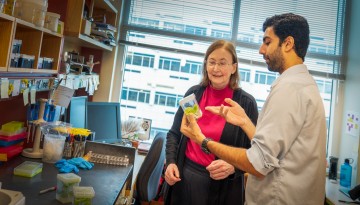
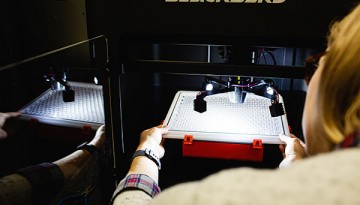
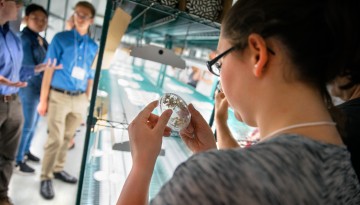
A radical collaboration between a biologist and an engineer is supercharging efforts to protect grape crops, and the technology they’ve developed will soon be available to researchers nationwide.
Boyce Thompson Institute welcomes Professor Sarah Evanega as the newest member of their faculty. Sarah is a science communicator whose research and outreach efforts focus on the nexus of plant science and society, and strive to ensure that plant science has positive impacts on agriculture, the environment and human health.
Almost all U.S. politicians tweet about climate change based on party affiliation and the opinion of their constituents, not actual climate risk to the areas they represent, a new multidisciplinary study found.
Cornell's New York Youth Institute announced the selection of 20 high school students who will represent New York State as delegates to the 2021 World Food Prize Global Youth Institute.