Virtual events and resources at Cornell include interactive New York state wine and cheese tastings; a Q&A with student filmmakers; a community chat on living alone; and a panel with international perspectives on the pandemic’s challenges to democracy.
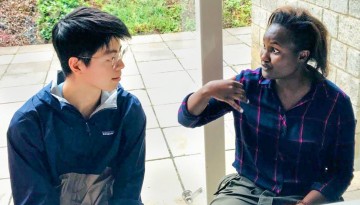
Students reflected on their learning experiences and future goals in community engagement as they completed a leadership certificate program this spring.
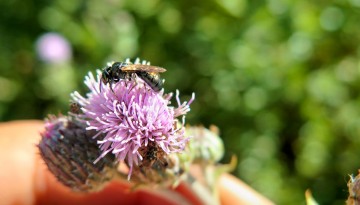
A new study on bees, plants and landscapes in upstate New York sheds light on how bee pathogens spread, offering possible clues for what farmers could do to improve bee health.
With the switch to remote learning in April, students in the Community Learning and Service Partnership program had to find creative ways to modify their learning partnerships.
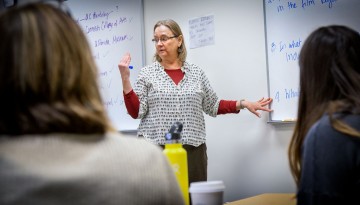
Amid the challenges of shifting to virtual learning, students and faculty found opportunities for innovation, connection and intellectual growth. Here are snapshots of six courses that took creative approaches to their online formats.
Plant biologist Michael Scanlon received a $1.8 million grant from the National Science Foundation Plant Genome Research Program to continue his research on the process of shoot development in maize.
Risk communicators must get trust, tradeoffs and preparedness right as the COVID-19 pandemic progresses, according to Cornell experts Dominic Balog-Way and Katherine McComas.
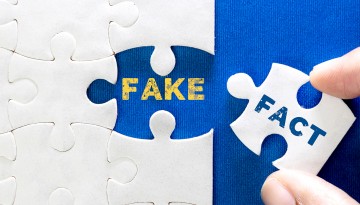
The proliferation of medical misinformation on social media and the human experience of social distancing are among the pandemic-related topics to receive rapid response grants from the Cornell Atkinson Center for Sustainability.
Wheat scientists from China, Ethiopia, Germany, India and Uruguay have been honored by the Cornell's Borlaug Global Rust Initiative as Jeanie Borlaug Laube Women in Triticum Early Career awardees.