Cornell and Rice University researchers have found that while adding carbon organic matter to fields is advantageous, it may muddle the beneficial underground communication between legume plants and microorganisms.
The Cornell Orchards Store – long a retail outlet for the university’s apples, fresh cider and other fruit grown at the Cornell Orchards, along Route 366 – will close Jan. 31.
New Cornell research indicates facial recognition abilities in wasps evolved relatively rapidly suggesting their increasing intelligence provided an incredible evolutionary advantage.
Shariah Harris ’20 has been called “trailblazer” and “barrier-breaker,” and the Cornell women’s polo star and animal science major does embody those labels. But she doesn’t let them define her.
Steven Kyle, associate professor of applied economics and management, offered his annual national forecast Jan. 17 at the Dyson School's 2020 Agricultural and Food Business Outlook Conference.
Cornell’s newest science communications vehicle is “Modified,” a retrofitted, retro-vibe food truck that serves modified munchies with a side of biotechnology knowledge.
Researchers from four colleges will study potential warnings for electronic cigarette advertisements that seek to deter teen use of the products without discouraging adults who are trying to quit smoking.
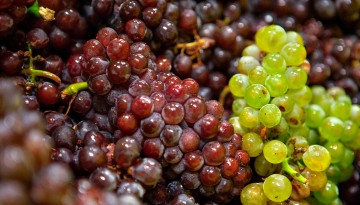
Transferring genetic markers in plant breeding is a challenge, but a team of grapevine breeders and scientists at Cornell AgriTech in Geneva, New York, has come up with a powerful new method.
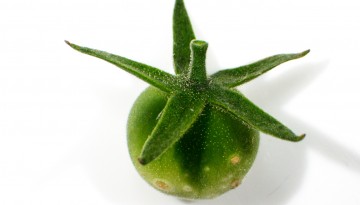
New research from the lab of Christine Smart in the College of Agriculture and Life Sciences shows that wild tomato varieties are less affected by deadly bacterial canker than traditionally cultivated varieties.