On topics ranging from oceanic disease to restraining invasive species from distant seas, Cornell faculty joined 10,000 scientists to discuss “Envisioning Tomorrow’s Earth” at the AAAS meeting in Seattle.
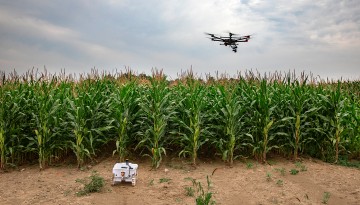
Students and faculty from the world’s five leading agricultural universities, including Cornell, will spend three days learning and brainstorming at the Cornell Initiative for Digital Agriculture’s second annual hackathon, Feb. 28-March 1.
Wojtek Pawlowski, associate professor of plant breeding and genetics, is partnering with French biotech company Meiogenix, with the goal of more effectively engineering maize, the world’s top staple crop.
Bailey Drewes and Chelsea Benson, Cornell employees who will complete in the U.S. Olympic Team Trials for the marathon, love the spirit among sub-elite runners, who juggle jobs in addition to their training.
Events at Cornell include the Martin Luther King, Jr. Commemorative Lecture with Yusef Salaam; pianist Philip Carli and silent films at Cornell Cinema; astrophysicist David Stevenson, Ph.D. '76; and the 2020 Backyard Bird Count.
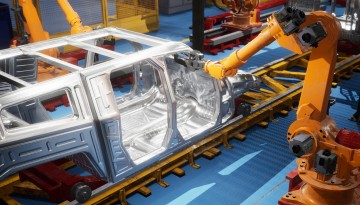
If we want to have a say in what the future looks like, scholars and policymakers need to start thinking about workplace automation far more broadly, according to a new paper co-authored by a Cornell researcher.
Angela Poole, assistant professor of nutritional sciences, and Gerlinde Van de Walle, associate professor of microbiology and immunology, have both been awarded $25,000 each to launch or support research.
Cornell researchers analyzed farmer preferences and found that the softness of cooked cassava is a major influence on what kinds of varieties farmers actually adopt.