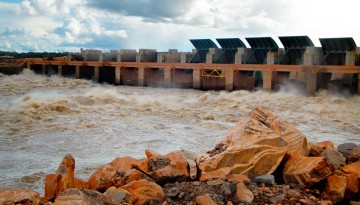
A Cornell-led team has developed a computational model that uses artificial intelligence to find the most sustainable configurations of hydropower dam sites in the Amazon basin.
The U.N.’s Global Sustainable Development Goals report – prepared by independent scientists, including Cornell’s Parfait M. Eloundou-Enyegue – was delivered Sept. 10 to the U.N. Secretary-General.
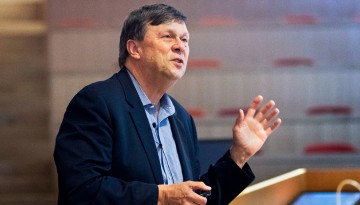
To help launch the new Cornell Center for Immunology, world-renowned immunologist Mark Davis was in Ithaca to give a talk and meet faculty and students.
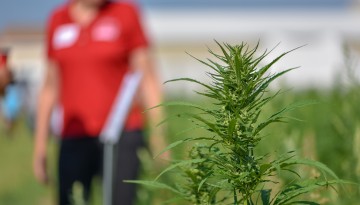
Larry Smart, professor in the Horticulture Section of the School of Integrative Plant Science, recently joined Cornell Cooperative Extension’s “Extension Out Loud” podcast series to discuss industrial hemp production in New York state.
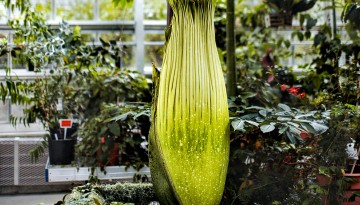
Carolus, one of Cornell’s two giant Titan arum plants, also known as “corpse flowers,” is getting ready to once again unleash its fetid odor in the Liberty Hyde Bailey Conservatory on Tower Road.
James Clarence Preston ’50, Ed.D. ’68, a former Cornell Cooperative Extension agent and a professor of rural sociology from 1968 to 1988, died Sept. 2. He was 92.
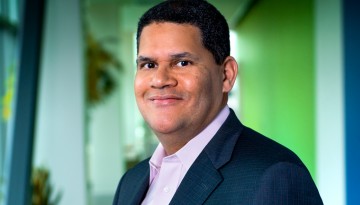
Reggie Fils-Aimé ’83, retired president and COO of Nintendo of America, is returning to Cornell as the inaugural Leader in Residence at the Charles H. Dyson School of Applied Economics and Management.
The Botanic Buzzline, a 380-foot-long, flower-lined pathway developed by students to help pollinating insects navigate fragmented green spaces, opens Sept. 14 in Cornell Botanic Gardens.