The newest episode of a podcast hosted by Entrepreneurship at Cornell, Startup Cornell, features Tim Barry ‘93, the chair and CEO of VillageMD, and this year’s Cornell Entrepreneur of the Year. Entrepreneurship at Cornell will honor Barry on April 11 and 12 during the Celebration event on campus.
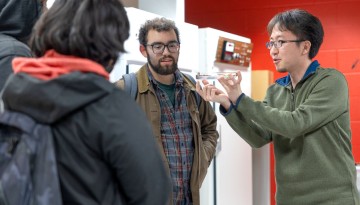
Science on Screen® supports creative pairings of current, classic, cult, and documentary films with introductions by figures from the world of science, technology and medicine.
CROPPS seminar will delve into the practical implications of George Washington Carver's work, exploring how his insights can inform and inspire contemporary sustainability initiatives.
Tracy Luckow ’99 will share the peaks and valleys of her entrepreneurial journey on April 12 at Entrepreneurship at Cornell’s Celebration, a two-day conference held every spring that brings together students, alumni, faculty, staff and community participants.
Indigenous students in STEM are creating community and working to increase representation and visibility – all while bringing valuable cultural insights and a community-focus to their academic work.
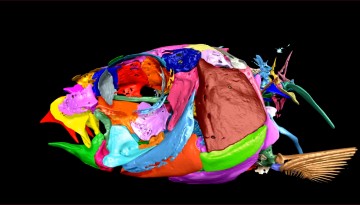
A venture to digitize vertebrate museum collections and make them freely available online for anyone to access has created 3D CT scans of some 13,000 specimens.
Journalist Kate Aronoff and security expert Joshua Busby will look at climate justice issues through different lenses during this year’s Lund Critical Debate from the Mario Einaudi Center for International Studies on April 11.
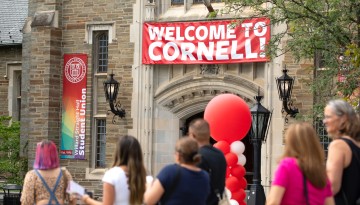
The 5,139 admitted students will bring with them a variety of lived experiences that will enrich the vitality and innovation of Cornell’s intellectual community.
To woo a mate, the Albert’s lyrebird of Australia shakes entangled vines as part of his courtship footwork, synchronizing each shake with the beat of his striking song, according to new research.