Feline-centric chatbot connects cat owners with credible, science-based information in a novel way. Users can ask the chatbot questions, get to the answers quickly and ask follow-up questions – or even play games.
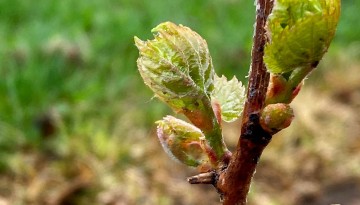
A new Cornell-developed computer model that estimates the temperatures that cause freeze damage in a dozen grape cultivars can help growers plan for the season when damage does occur.
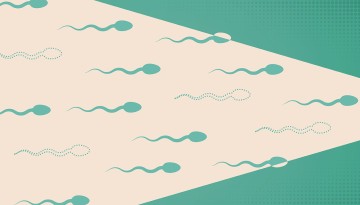
A cross-college collaboration is opening new doors in the study of male infertility by breaking down a key step in sperm formation. Isolating the intricacies of meiotic sex chromosome inactivation, will now enable researchers to identify what happens when that key step fails.
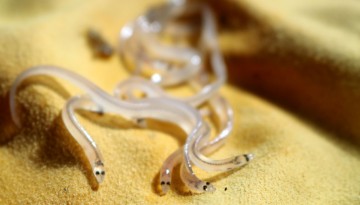
The Hudson River Eel Project – which has netted, counted and released roughly 2 million juvenile eels since its inception in 2008 – owes its success to a cadre of nearly 1,000 high school, college and adult citizen scientists donating time and effort each spring along the Hudson River.
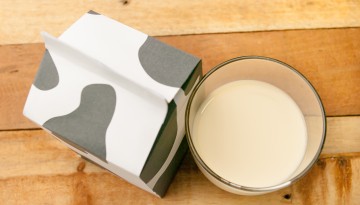
After examining pasteurized single-serving milk cartons, Cornell food scientists found bacterial counts two weeks after processing were higher than in larger containers from the same facilities.
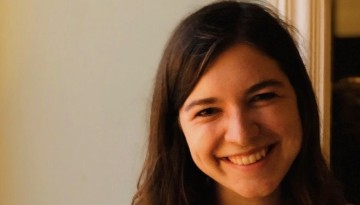
Francine Barchett, a doctoral candidate in natural resources and the environment, was selected as the third youth representative for the World Food Prize Foundation Council of Advisors since the program launched in 2021.