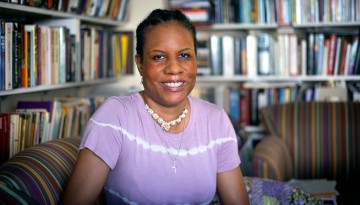
Fernando Santiago ’86 was recognized for his service in Monroe County, where he leads several nonprofits that assist people in need of food, housing, training and other support.
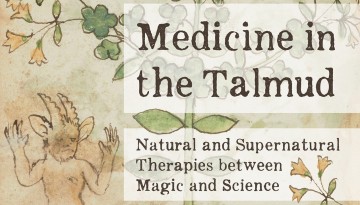
The Babylonian Talmud, a collection of traditions produced by Jews living in ancient Persia, contains a great deal of medical knowledge, according to a new book by a Cornell author.
The National Science Foundation has awarded Cornell $2 million to oversee the first federally funded midterm election survey in 20 years, engaging multiple partners and diverse methodologies.
As the pandemic pomp and COVID circumstances dissipate, Cornell’s McGovern Center and Praxis Center incubators graduated five startups, putting them on the road to success.
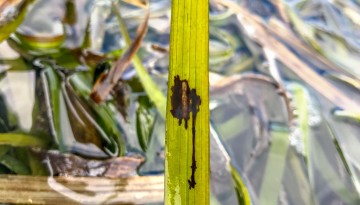
A combination of ecological field methods and AI has helped an interdisciplinary research group detect eelgrass wasting disease from San Diego to southern Alaska, and determine that it’s caused by warmer-than-normal water temperatures.
“Up from the Depths,” a new book by history professor Aaron Sachs, tells the interconnected stories of writer and poet Herman Melville and the literary critic and historian Lewis Mumford, who helped revive Melville from obscurity.