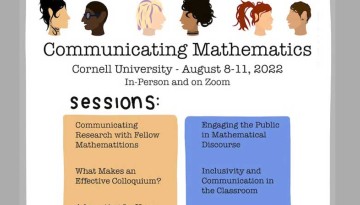
August 8-11, mathematics researchers and college-level teachers will discuss what it takes to communicate effectively among mathematicians, to students, and to the public.
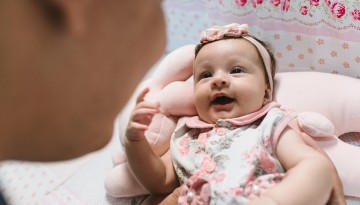
In a new study, Cornell psychology researchers have found that babies learn their prelinguistic vocalizations – coos, grunts and vowel sounds – change the behaviors of other people, a key building block of communication.
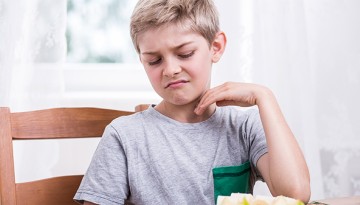
New research by Professor Michele Belot indicates that a woman’s stress level while pregnant has a negative effect on the healthiness of her child’s diet.
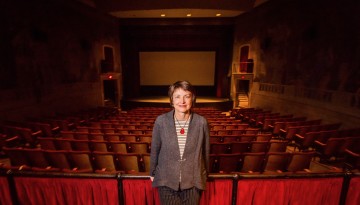
Professor Martha Haynes has a chapter in the book “The Sky Is for Everyone: Women Astronomers in Their Own Words,” edited by Virginia Trimble and David A. Weintraub, a collection of autobiographical essays by women who broke down barriers and changed the face of modern astronomy.
Among Dean Jermy’s many acts of community service in and around Homer, NY is a public reading of the Declaration of Independence on the village green on the Fourth of July, and securing a landmark designation for Andrew Dickson White’s birth home on Main Street.
Activities beyond campus – such as business air travel, student commutes and purchases like lab equipment – account for more than 60% of Cornell’s carbon emissions, according to a new analysis.