A podcast launched this semester by the Society for the Humanities in the College of Arts and Sciences, provides a space for humanities scholars to share ideas virtually, keeping cross-disciplinary dialogue going even during pandemic conditions and extending the reach of these conversations beyond Cornell.
Eight exceptional early-career scholars in the sciences, social sciences and humanities will pursue independent research at Cornell as recipients of Klarman Postdoctoral Fellowships.
With Cornellian help, NASA's Mars 2020 mission’s Perseverance craft zips through space at 48,000 mph to our neighboring red planet. It is scheduled to land Feb. 18.
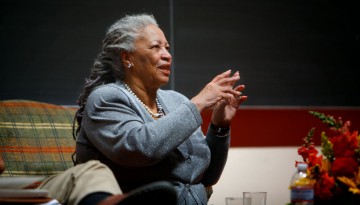
The College of Arts and Sciences will continue its celebration of the life of Toni Morrison, M.A. ’55, with a slate of activities this spring, starting with a “Toni Morrison at 90” colloquium to honor Morrison’s 90th birthday on Feb. 18.
Changing the name of the Department of English to the Department of Literatures in English better reflects the world and the department’s diverse fields of study, faculty members say.
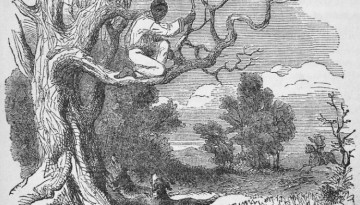
The grant will support development of the database, which collects and compiles fugitive slave advertisements from 18th- and 19th-century U.S. newspapers.
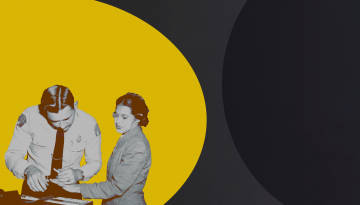
In its next webinar, the College of Arts and Sciences’ (A&S) yearlong webinar series, “Racism in America,” will examine how protest movements and civil disobedience have sought to both end and uphold white supremacy and racial discrimination. The Feb. 24 event, in partnership with the Cornell Law School, is free and open to the public.