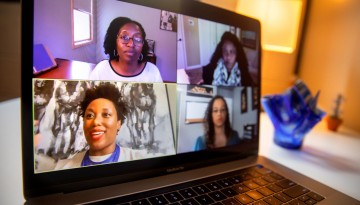
“Systemic Racism and Health Equity,” a webinar hosted July 23 by the Cornell Center for Health Equity, featured insights from three expert panelists and moderator Jamila Michener, associate professor of government and center co-director.
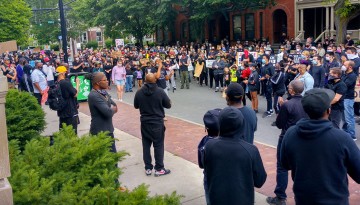
The Rural Humanities initiative has chosen “Rural Black Lives” as its theme for 2020-21, and its projects and programming will concentrate on the visibility of Black lives in rural central and western New York state.
Herpetologist Harry Greene and evolutionary biologist Kelly Zamudio have an unexpected opportunity during the COVID-19 pandemic to “rewild” their newly purchased land in Texas, restoring its diverse, biological richness.
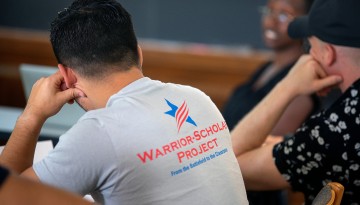
The Warrior-Scholar Project offered seminars taught by Cornell faculty and writing instruction July 19-24 in an immersive summer college prep experience for 10 currently enlisted and former service members.
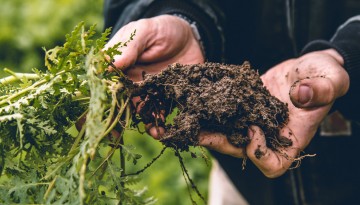
In Nature Geoscience, Cornell’s Johannes Lehmann says that scientists should develop new models that accurately reflect soil carbon-storage processes to draw down atmospheric carbon dioxide.
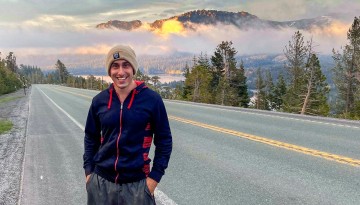
Zachary Prizant ’18, MPS ’19, and his identical twin brother, Maxwell, have faced wild stallions, rattlesnakes, desert heat and unforgiving stretches of highway as they cross the continental U.S. on foot and raise money for COVID-19 relief work.
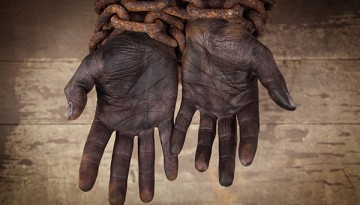
Freedom on the Move, a database documenting the lives of fugitives from American slavery through newspaper ads placed by slave owners, has received a $150,000 grant from The Andrew W. Mellon Foundation.