Joeva Barrow, assistant professor of molecular nutrition in the Division of Nutritional Sciences, has won a 2022 Hartwell Individual Biomedical Research Award, which funds biomedical research to advance children’s health.
A diverse group of students and recent graduates representing Cornell’s four contract colleges has been selected to receive the 2023 State University of New York Chancellor’s Award for Student Excellence.
The College of Human Ecology’s first Cornell Fashion Expo, held April 14, gave student designers a chance to present their work to industry experts and Cornell alumni in New York City, one of the fashion capitals of the world.
The significance, history and challenges of free expression and academic freedom will be explored as a featured theme throughout the 2023-24 academic year, President Martha E. Pollack will announce April 17.
Ten Graduate School doctoral candidates, joined by one student from the Weill Cornell Graduate School of Medicine, traveled from Ithaca and New York City to Capitol Hill for Cornell Ph.D. Student Advocacy Day on March 29.
Eight doctoral candidates and two postdocs were inducted into the Cornell Chapter of the Bouchet Graduate Honor Society, which recognizes scholarly achievement and promotes diversity in doctoral education.
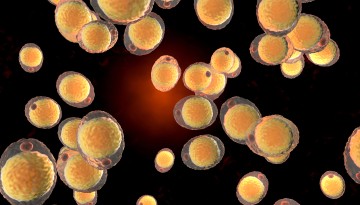
New research suggests a strategy to ward off age-related weight gain, which could prevent obesity and associated health disorders like Type 2 diabetes, heart disease and chronic inflammation.