Students, faculty and administrators have quickly mobilized relief efforts and support for those affected by the 7.8-magnitude earthquake that devastated Syria and Turkey.
Cornell nutrition expert Angela Odoms-Young will serve as the vice chair of the national 2025 Dietary Guidelines Advisory Committee, which will review scientific evidence regarding federal nutrition programs and policies and provide nutritional guidelines for all Americans.
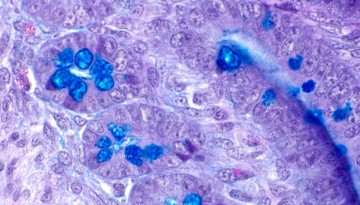
Metal oxide nanoparticles – commonly used as food coloring and anti-caking agents in commercial ingredients – may damage parts of the human intestine, say Cornell and Binghamton University scientists.
A new study from the Cornell Lab of Ornithology found which kind of nature experiences were associated with a greater sense of well-being during the COVID pandemic.
Founded in 1982 and celebrating 40 years, Cornell Academics and Professors Emeriti represents a large community of retired academics and faculty that continue to make significant contributions to university life.
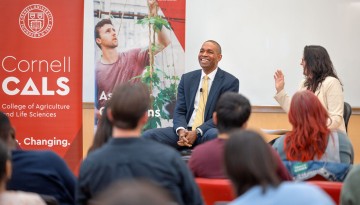
New York Lt. Gov. Antonio Delgado engaged with students and faculty on topics ranging from biological engineering to nutrition to 4-H programs during his first tour of the Ithaca campus on Feb. 2.
Positive everyday racial encounters may increase self-esteem and help counteract negative experiences from discrimination, according to new Cornell psychology research.
Forte Protein – a new Cornell startup that grows commercial animal proteins inside agricultural plants – has joined the university’s Center for Life Science Ventures business incubator.