Cornell research finds product attachment may unintentionally encourage less sustainable behavior, if people store away prized possessions and buy additional goods for practical daily use.
The funding will support preliminary disease-related research, in the latest in a series of efforts to create new opportunities for interdisciplinary research.
The Tree of Life Center – with 174 units, community and retail space, and a full-service health center and dental clinic – opened on Dec. 9 in Jamaica, Queens.
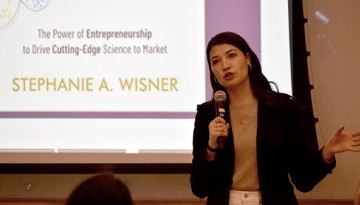
On Nov. 18, Stephanie Wisner '16 discussed her career path and new book, "Building Backwards to Biotech: The Power of Entrepreneurship to Drive Cutting Edge Science to Market," with Cornell's entrepreneurial community.
A Cornell research team identified barriers to immigrants’ use of online resources that could help them access health and legal benefits, and recommended solutions they incorporated into a new website, Rights for Health.
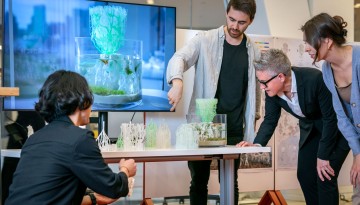
Cornell has established the Department of Design Tech, a Radical Collaboration partnership between five colleges that seeks to enhance design and technology education and research across the university.
Twenty Cornell faculty members were awarded Affinito-Stewart research grants for the 2022-2023 academic year. The grants, which are awarded by the President’s Council of Cornell Women (PCCW), provide junior faculty members from across the university with up to $10,000 in research funding.
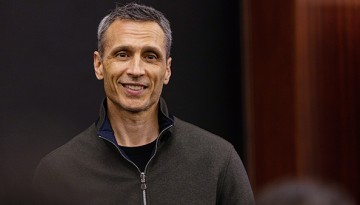
How did Jimmy Pitaro ’91 go from Human Ecology to the helm of ESPN? “I had a coach who said you either win or you learn,” the former Big Red football player told student athletes during a recent visit back to campus.