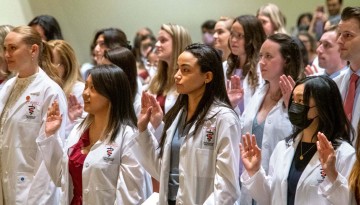
The College of Veterinary Medicine celebrated the Class of 2023 with its annual White Coat Ceremony, which marks the transition from preclinical coursework to a year of clinical rotations.
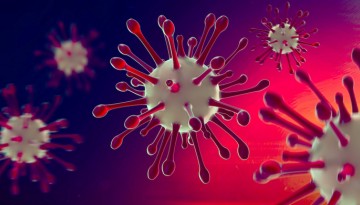
Cornell researchers have identified a shift that occurs in canine coronavirus that points to a possible pattern of change found in other coronaviruses and which may provide clues to how they transmit to humans from animals.
A diverse group of students and recent graduates representing Cornell’s four contract colleges have been selected to receive the 2022 State University of New York Chancellor’s Award for Student Excellence.
Researchers are securing grants that span the breadth of USDA priorities — from improving livestock health and genetics, to thwarting foodborne pathogens and antimicrobial resistance, to understanding impacts of rural veterinarians.
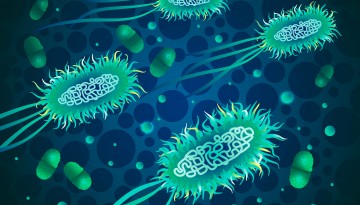
A multi-year study of the role of E. coligut bacteria in Crohn’s disease finds that intestinal inflammation liberates chemicals that nourish the bacteria’s growth and promotes their ability to cause inflammation.
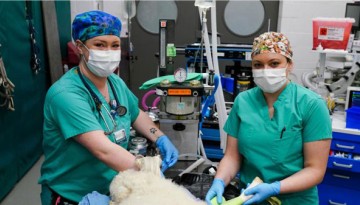
After over 15 years of preparing future veterinary technicians to enter the workforce, Cornell's preceptorship program remains one of the few of its kind based in a New York referral animal hospital.
The center, with more than 120 faculty members, builds on the multidisciplinary nature of research into the immune system, with links between infection biology, vaccine development, genetics, genomics, malignancy and biomedical engineering.
Master’s student Carol Anne Barsody is working with an array of interdisciplinary collaborators to explore the origins of a mummified bird and create a multisensory exhibition that rethinks the way ancient artifacts are presented in museums.