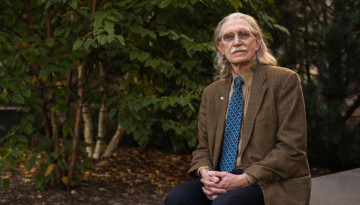
Dr. Dwight Bowman was recognized for his outstanding achievements in the field of parasitology and for his vast contributions to veterinary research and education.
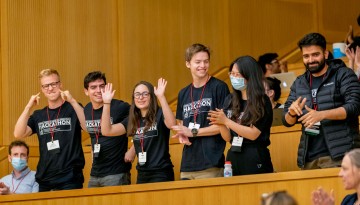
Students from 28 fields across six different schools gathered at the fourth annual Digital Agriculture Hackathon, March 11-13, to find solutions to global food system issues while competing for cash prizes.
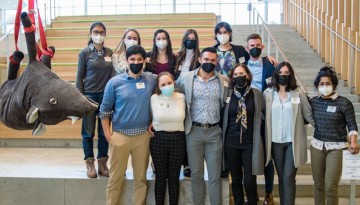
Students are invited to enroll now for Cornell’s Summer Session where they can earn up to 15 credits. Courses are offered online, on campus and around the world in three-, six- and eight-week sessions between May 31 and August 2, 2022.
Kehinde Adesegun Abayomi Majiyagbe, M.S. ’76, Ph.D. ’79, worked to control many diseases, including African swine fever and rinderpest, impacting not only animal health, but food security and the economy for people in the region.
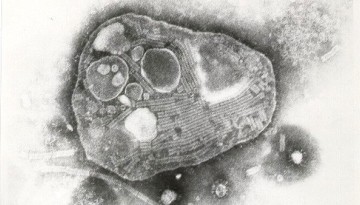
A new Cornell study sheds light on a controversial debate in epigenetics – the set of molecular changes occurring on top of the genome that regulate how genes are turned on and off, but without changing a cell’s DNA sequence.
Maryna Mullerman, a first-year veterinary student, left Ukraine on her own at age 15 to pursue her education in the U.S. Cornell had always been her dream school, she says.
This is a three-year, endowed position for a junior faculty member at the College of Veterinary Medicine who shows great promise for advancing equine research.