Grambow was well-known for his active participation in organized veterinary medicine and for years of service to Cornell as an alumnus of the College of Veterinary Medicine.
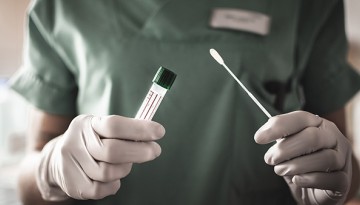
Researchers at the College of Veterinary Medicine, in collaboration with the Tompkins County Health Department and Cayuga Health System, are conducting a COVID-19 community health survey to estimate levels of COVID infection and immunity in the county.
Seven Cornell faculty members have been elected fellows of the American Association for the Advancement of Science, the world’s largest general scientific society. This year's fellows, 564 in all, will be honored at a virtual event Feb. 19.
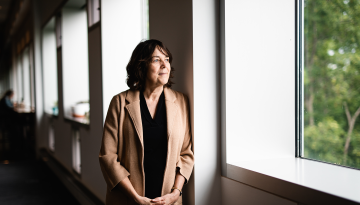
Lisa Fortier, Ph.D. ’98, the James Law Professor of Surgery at the College of Veterinary Medicine, has devoted her career to developing cutting-edge treatments that can dramatically improve both horses’ and humans’ lives.