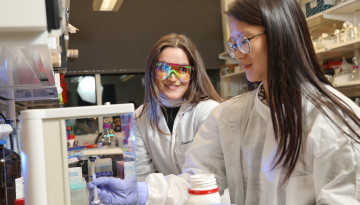
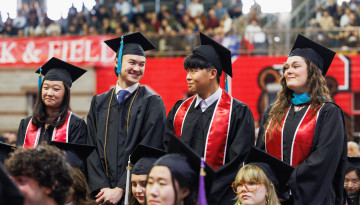
Cornell Engineering faculty and students gathered Dec. 18 in Upson Hall to celebrate the first participants to complete Radical Humanity in Research, a new program designed to strengthen the human foundations of high-impact research.
An international research expedition involving Cornell has uncovered new details as to why a 2011 earthquake northeast of Japan behaved so unusually as it lifted the seafloor and produced a tsunami that devastated coastal communities.
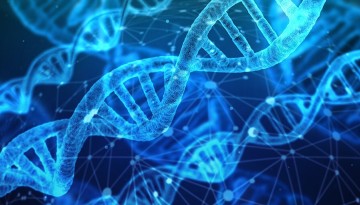
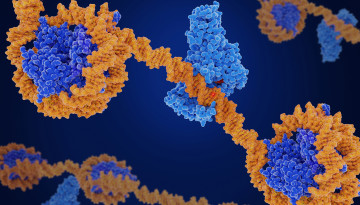
Researchers discovered that DNA packaging structures called nucleosomes, which have been traditionally seen as roadblocks for gene expression, actually help reduce torsional stress in DNA strands and facilitate genetic information decoding.
Revealing how psychiatric drugs reshape the brain and designing next-generation missions to find distant worlds are among the research themes that helped faculty earn Cornell Engineering Research Excellence Awards, the college’s highest recognition for groundbreaking scientific impact.
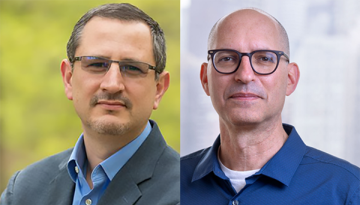
José F. Martínez, the Lee Teng-hui Professor in the School of Electrical and Computer Engineering at Cornell, and Mor Naaman, the Don and Mibs Follett Professor of Information Science at Cornell Tech, the Jacobs Technion…