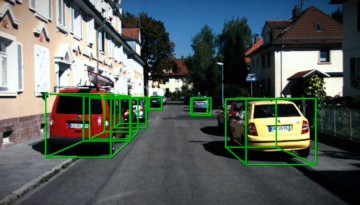
Cornell researchers have discovered an inexpensive and accurate method for self-driving cars to detect three-dimensional objects, potentially revolutionizing the autonomous vehicle industry.
Events include a screening of “On the Basis of Sex” by Cornell Cinema, a free estate planning clinic, an exhibition of work by a student artist at the Seneca Place office building downtown, a panel discussion as part of the Cornell University Press sesquicentennial celebration, and a “Chats in the Stacks” book talk with English professor Daniel Schwarz.
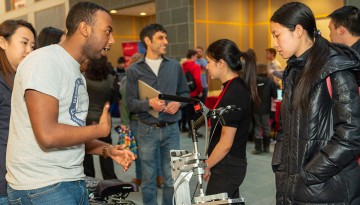
From robots playing video games to the next Uber competitor, cutting-edge technologies created by more than 200 students will be on display at BOOM 2019 on April 24, from 4-6 p.m. in the Duffield Hall atrium.
Engineer, entrepreneur, innovator and philanthropist Irwin Jacobs ’54, BEE ’56, will speak at Cornell and be presented with the second Cornell Engineering Distinguished Alumni Award on Monday, April 22, at 4 p.m. in 101 Phillips Hall Auditorium.
Ten Cornell undergraduate and graduate students traveled 23 hours and 7,600 miles to the South Pacific island nation of Tonga to see what climate change really looks like.
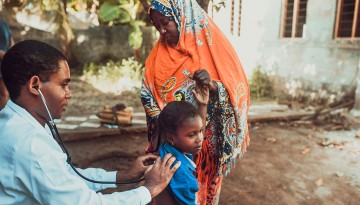
Researchers have collected and analyzed health-related internet search terms from all 54 countries in Africa, finding that searches such as “Does garlic cure AIDS?” can reveal pockets of disease prevalence, cultural stigmas and urgent needs for accurate health information.