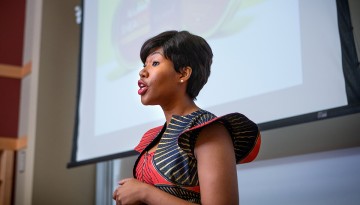
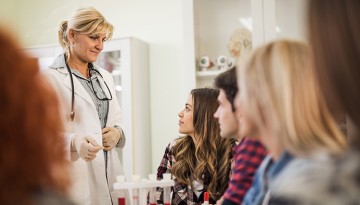
Students from 11 startup companies with products including organic skin care products and concussion detection devices pitched their ideas March 20, vying for the 2017 Student Business of the Year.
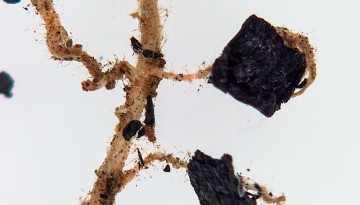
Cornell scientists have discovered a new high-definition system that allows electrons to travel through soil farther and more efficiently than previously thought, according to Nature Communication, March 31.
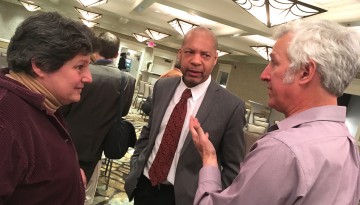
Members of Cornell's Senior Leaders Climate Action Group presented highlights of their report, 'Options for Achieving a Carbon Neutral Campus by 2035,' at a public meeting March 28 in downtown Ithaca.
Ten faculty-led projects are receiving approximately $170,000 in Internationalizing the Cornell Curriculum grants this year, the Office of the Vice Provost for International Affairs has announced.
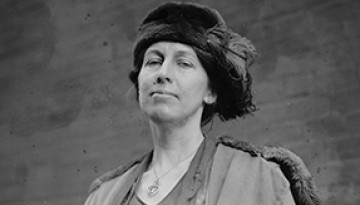
A tunnel-boring machine that will repair New York City's Delaware Aqueduct has been named in honor of Nora Stanton Blatch Barney, Class of 1905, a suffragist civil engineer.
Marine microalgae may play a crucial role in mitigating atmospheric greenhouse gas, reducing carbon dioxide from commercial agriculture and steadying the global climate, according to Cornell research.
A Cornell-led international research team has secured funding from the Human Frontier Science Program for a three-year study into the connection between breast cancer and bone mineralization.
Seven assistant professors have both been recognized by the National Science Foundation with CAREER awards, which support junior faculty members' research projects and outreach efforts.
Natalie Mahowald, professor of earth and atmospheric science, has been selected by the United Nations' Intergovernmental Panel on Climate Change as a lead author on a special global warming report.