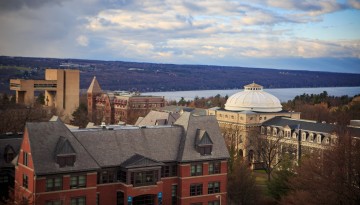
As Cornell University Library’s physical spaces remain temporarily closed to mitigate the spread of COVID-19, librarians are opening digital doors for Cornell’s community of scholars.
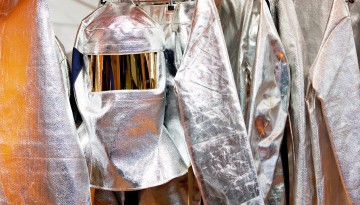
Cornell researchers in fiber science and apparel design are putting their knowledge and energies into keeping health care personnel on the front lines of the COVID-19 pandemic from becoming patients themselves.
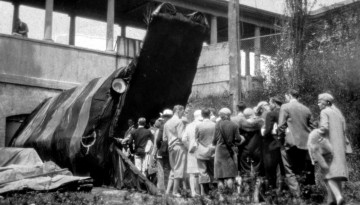
Virtual events and resources at Cornell include: Images of Dragon Days past; Cornell experts discuss COVID-19; “Cosmos” and spotlight on women artists at the Johnson Museum; student theater and film updates; and a citizen science project surveying breeding birds.
Cornell researchers have developed an automated system that uses machine learning, data analysis and human feedback to automatically verify statistical claims about the new coronavirus.
With the coronavirus pandemic having forced courses and other events online and temporarily ending campus tours and visits, this year represents a unique challenge for those who plan outreach to and programming for accepted students in the incoming Class of 2024.
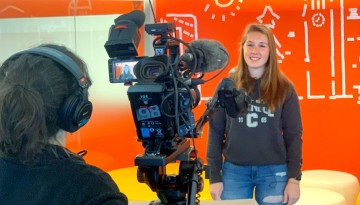
The Office of Faculty Development is using remote conferencing technology sessions to hold faculty workshops during the Coronavirus on topics ranging from what's next in academic book publishing to how to write an op-ed.
As the world grapples with the financial fallout from the COVID-19 pandemic, Cornell has reaffirmed its financial aid commitment to current and future students, and their families.
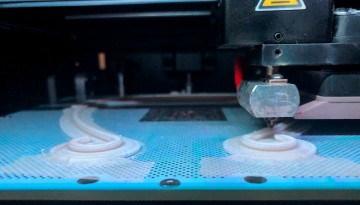
Students, faculty, staff, alumni and community members are working together around the clock to 3D print protective visors for medical workers at Weill Cornell Medicine and local hospitals.