Cornell is a global leader in sustainability and climate change research, teaching and engagement. Our campuses are living laboratories for developing, testing and implementing solutions that address these most challenging issues.
In a first, system uses sunlight to power carbon capture

Inspired by the mechanisms plants use to store carbon, researchers found that sunlight can power the capture and release of carbon dioxide, which could vastly lower costs and net emissions.

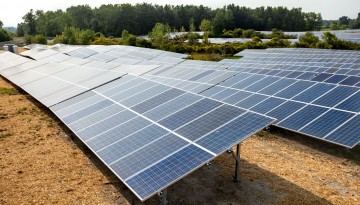
Tool predicts impact of wildfire smoke on solar power generation

Cornell researchers created a machine learning-based model that can forecast, with greater accuracy than current methods, the impact severe wildfire conditions will have on solar electricity generation. 

Upcycled grape pomace in chicken feed may improve gut health

Grape pomace, a waste stream from the wine and table grape industry, may improve the gut health of poultry and other animals. 

Plants you wear: LivingLoom weaves seeds into textiles

Researchers in the College of Human Ecology have developed a design and fabrication approach that treats plants as companions to humans, with seeds woven into hydrogel material for apparel and other applications.

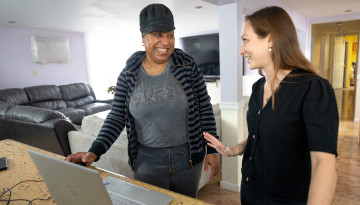
Students help rural Peruvians grow turmeric business

The business students traveled to a rural region of Peru to brainstorm sustainable business ideas for a local community.

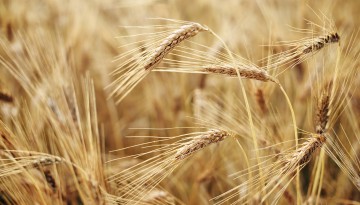
Cover Crop Challenge lets students compete and grow

Cornell AES manages farms and greenhouses that support research but are also unique teaching resources for over 40 courses. This is the sixth story in a series about on-farm teaching; in Cover Crops in Agroecosystems, students explore the uses of cover crops and assess their benefits.

Around Cornell

Analysis reveals signs of life in ‘zombie’ volcano

Researchers identified a likely source of activity in a “zombie” volcano that appeared to be dormant for more than 250,000 years: molten rock releasing gas that pushes against the volcano’s upper crust.

With sustainable practices, New York dairy farms lower emissions

In collaboration with farmers, researchers found that emission intensities from New York state dairy farms were lower per gallon of milk than national estimates and among the lowest reported across continents. 

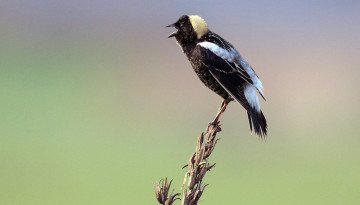
With new tool, birds can help track – and save – wild bees

A new publicly available tool uses data from the Cornell Lab of Ornithology’s eBird program to track and estimate the diversity of wild bees across the eastern and central U.S. - with implications for conservation and agriculture.