As scientists prepare to study Martian soil for signs of life, a new worry emerges. Acidic fluids once on Mars’ surface may have destroyed biological evidence hidden within the planet’s iron-rich clays.
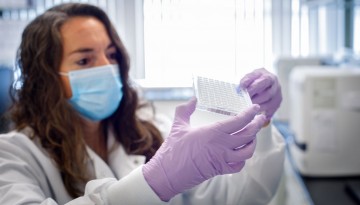
Cornell researchers’ concept for a mobile phone-based system to detect infectious diseases and nutritional deficiencies in saliva was awarded a $100,000 NIH Technology Accelerator Challenge prize.
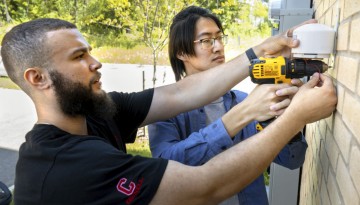
The NSF has awarded $1.5 million to Cornell engineers to help bridge New York’s digital divide by designing the nation’s first statewide Internet of Things public infrastructure.
Cornell food scientists show in animal studies that a mother’s high-fat diet may lead to more sweet-taste receptors in taste buds resulting in poor feeding behavior, obesity in adulthood.
Around campus academic quads and residential areas, in the thick of autumn’s red and yellow leaves, soon there’ll be something green: a new tool-toting, solar power-generating trailer.
Twenty faculty members from eight colleges have been named Engaged Faculty Fellows, committed to advancing community-engaged learning and scholarship at Cornell and within their academic disciplines.
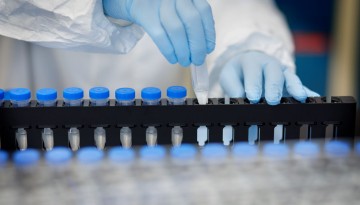
The aggressive approach, which supplements other campus efforts to slow the virus’s spread, expands testing to those who may not meet the definition of a close contact.
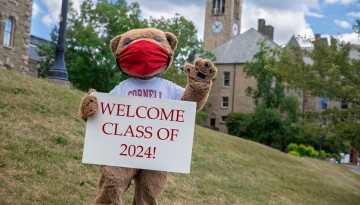
When fall semester instruction begins online and in person Sept. 2, the 3,296 members of Cornell’s Class of 2024 just might be the most nimble group in the university’s history.