The Atkinson Center for a Sustainable Future is welcoming five new postdoctoral fellows, who will study global food systems, health and energy transitions.
LEAD NY, in the College of Agriculture and Life Sciences, helps professionals in the food, agricultural and natural resource industries develop critical leadership skills.
Cornell professor Natalie Mahowald offered straightforward and hopeful testimony on Earth’s warming atmosphere Feb. 13 in a three-hour hearing on climate change before the House Science, Space and Technology Committee.
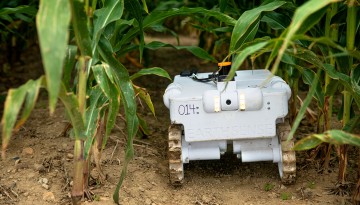
Digital agriculture at Cornell has just been seeded for robust additional growth by being added as a strategic discipline area to the provost's radical collaboration initiative.
The outlook for New York state’s farm economy is steady, with farm incomes likely to remain relatively low for a second straight year, according to Jennifer Ifft, assistant professor of applied economics and management.
Season 3 of Cornell Cooperative Extension’s “Extension Out Loud” podcast series kicks off by unpacking what the 2018 Farm Bill means for New York state farmers and agricultural stakeholders.
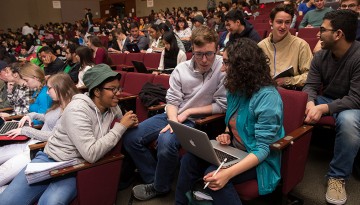
Innovative projects to enhance undergraduate teaching and learning in nine departments have received funding administered by Cornell’s Active Learning Initiative.
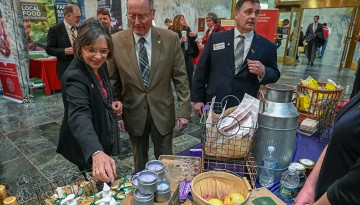
Executive directors from Cornell Cooperative Extension county associations from across the state traveled to Albany Jan. 22 to meet with senators and Assembly members from their respective districts.