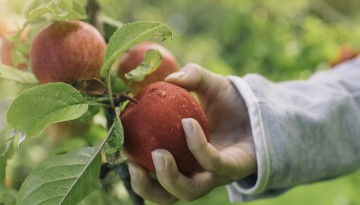
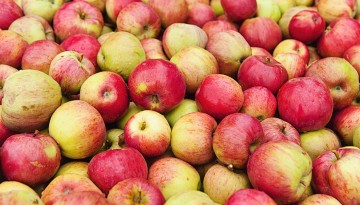
Cornell research aims to turn the nutritious leftovers created during apple processing into snack foods and cereals, reducing waste and creating new economic opportunities for New York companies.
Cornell’s first Digital Agriculture Hackathon saw students from a variety of disciplines come together to develop ways of addressing some of the world’s most pressing agricultural challenges.
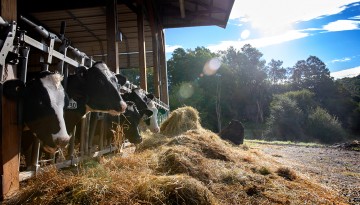
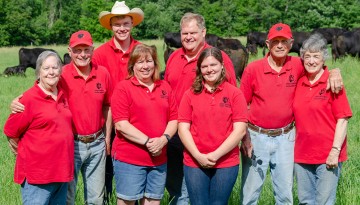
Thunder View Farms, a Catskill-region Angus beef operation founded and run by Cornell graduates, has been honored by the National Cattlemen’s Beef Association for its efforts at keeping water that flows to New York City safe.
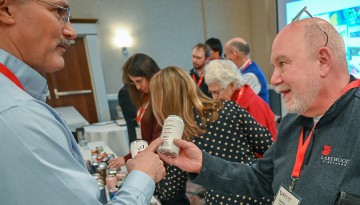
More than 300 winemakers, grape growers, distributors, marketers, educators and others attended the sixth annual B.E.V. NY conference and symposium Feb. 27-March 1.
Unveiling a new economic impact analysis model, a Cornell team found the state’s apple industry has a 21 percent larger economic impact than traditional models suggest.
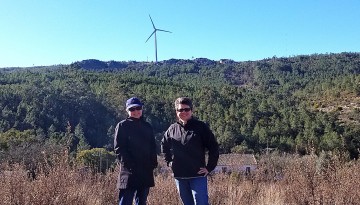
A network of academics from around the United States – including two Cornell wind energy experts – are proposing an 'energy-water corridor' along the U.S.-Mexico border.
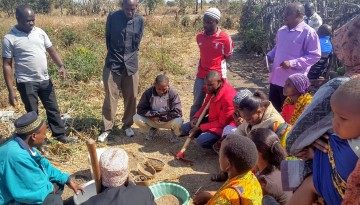
Smallholder farmers in sub-Saharan Africa are engaging in sustainable and equitable agricultural development through an innovative curriculum that puts them front and center.