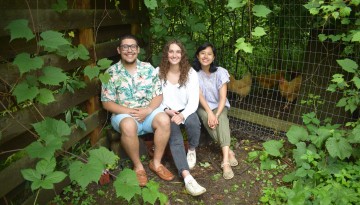
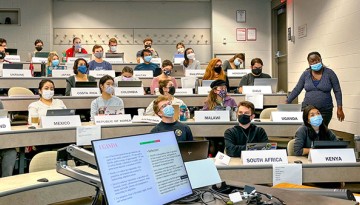
The Laidlaw scholars at Cornell are diving into a world of research. Over the first summer of the program, 24 Cornellians selected for the prestigious international program completed research projects on topics ranging from migration and big data to entomology, engineering communications and animal science.
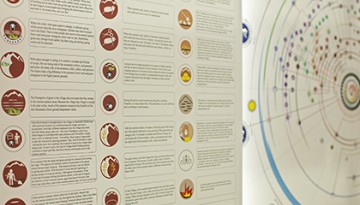
Art, sculpture, photos, and prints bring research on climate adaptation and resiliency to life at Cornell Botanic Gardens' Nevin Welcome Center. The exhibits illustrate the value and impact of a collaborative project with faculty and indigenous farmers, fishers, herders, hunters, and orchardists across the globe.
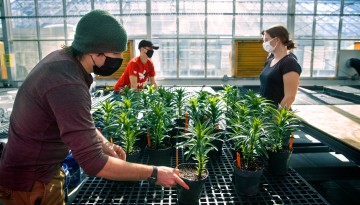
As Costa Rica gets dangerously warmer and drier due to the onslaught of climate change, bean breeders here are at the front lines of the fight to protect food security.
Cornell researchers have developed an innovative technique to track microbes and understand the various ways they process soil carbon, findings that add to our knowledge of how bacteria contribute to the global carbon cycle.
The Chicago-based startup Every Body Eat, which produces food free of the 14 most common allergens, took home $1 million in the third annual Grow-NY Food and Agriculture Competition,led by Cornell.
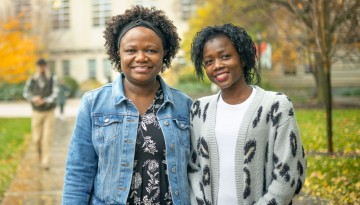
The Cornell Assistantship for Horticulture in Africa, a program that brings master’s students from sub-Saharan Africa to Cornell to complete doctorate degrees in horticulture, has now added a second assistantship for African Americans.
During the COP26 climate change conference, 45 Cornell undergraduate and graduate students plugged in from Ithaca to hear international negotiations first-hand and environmental history.
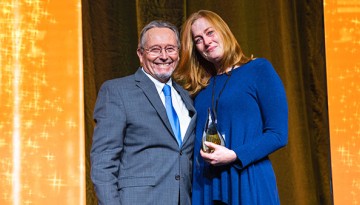
The gift from the estate of late professor Raymond Fox ’47, M.S. ’52, Ph.D. ’56, will support scholarships and fellowships as well as student participation in supplemental educational programs for undergraduate plant science students.
Zinc deficiency is prevalent around the world, and among children, these mineral shortfalls can lead to stunting, embryonic malformations and neurobehavioral abnormalities.