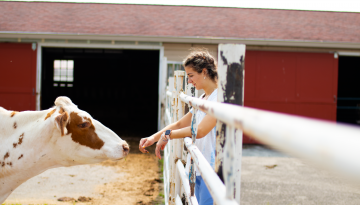
Starting this fall, students across Cornell can choose a new minor in sustainable agricultural and food systems that is designed to help them understand the broad role of ag and food systems in feeding humans and impacting the natural environment.
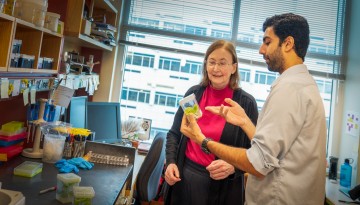
A new Cornell-led study describes a significant step toward improving photosynthesis and increasing yields by putting elements from cyanobacteria into crop plants.
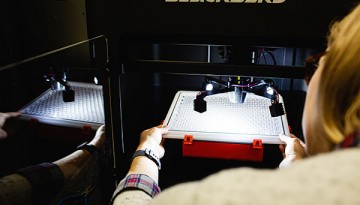
A radical collaboration between a biologist and an engineer is supercharging efforts to protect grape crops, and the technology they’ve developed will soon be available to researchers nationwide.
Boyce Thompson Institute welcomes Professor Sarah Evanega as the newest member of their faculty. Sarah is a science communicator whose research and outreach efforts focus on the nexus of plant science and society, and strive to ensure that plant science has positive impacts on agriculture, the environment and human health.
The pathogen listeria soon may become easier to track down in food recalls, thanks to a new genomic and geological mapping tool created by Cornell food scientists.
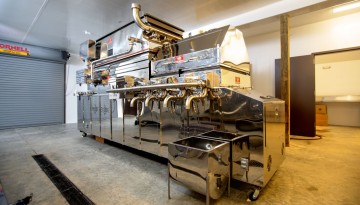
The Cornell Maple Program has opened an advanced, New York state-funded maple research laboratory, an upgrade that will enable research on making high-quality syrup, and new and existing maple products – all at commercial scales.
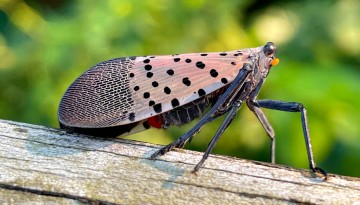
The spotted lanternfly – an invasive, destructive pest with a wide range of hosts including grapes, apples, hops, maple and walnut – has spread to a growing number of counties in New York state.
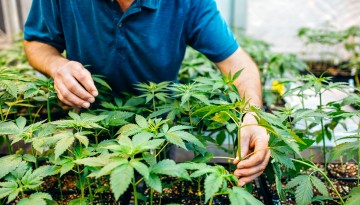
A new Cornell study debunks misinformation on websites and in news articles that claim that environmental or biological stresses – such as flooding or disease – cause an increase in THC production in hemp plants.