Artist Soni Kum joins the Einaudi Center's East Asia Program on April 2 at 10:00 a.m. to discuss her latest installation work, Morning Dew: The Stigma of Being “Brainwashed.”
The Cornell China Center’s Ying Hua will lead a panel of educators and scientists as they take an in-depth look at AI and its growing prominence in designing future solutions for many aspects of life and industry.
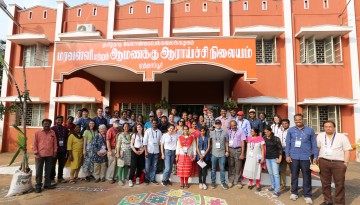
Research Professor of Global Development KV Raman works to implement global partnerships for food and agriculture systems — bringing together Cornellians and partners in developing countries to build solutions for hunger, poverty and malnutrition.
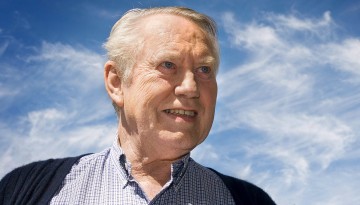
Charles F. “Chuck” Feeney ’56, founding chairman of The Atlantic Philanthropies and the university’s most generous donor, will be the first recipient of a new Cornell award created in his name to honor successful and generous entrepreneurs.
Amid uncertainty regarding COVID-19 related travel restrictions, the Office of Global Learning opened applications today for more than 20 centrally managed undergraduate study abroad programs for fall 2021.
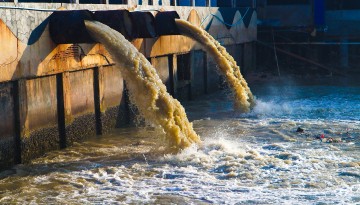
Supported by a grant from the NIH, researchers from Weill Cornell Medicine and the University of Miami will study ways to use wastewater as an early warning and mapping system for genetic variants of the virus that causes COVID-19.
An app that would maximize profit and minimize food spoilage and loss across the agriculture supply chain was named the grand prize winner in the third annual Cornell Institute for Digital Agriculture Hackathon.
A team led by a Boyce Thompson Institute researcher has identified genes enabling peaches and their wild relatives to tolerate stressful conditions – findings that could help the domesticated peach adapt to climate change.