International organizations have failed to help the world’s governments manage competing objectives as they try to cope with the havoc caused by the COVID-19 pandemic, according to new Cornell research.
A year-long mapping exercise, utilizing COVID-19 as a “stress test,” has resulted in 10 country-specific reports on the state of worker organizing, bargaining and social dialogue in garment-producing nations.
Recognizing that produce is grown and harvested by farmers of many different backgrounds, the Cornell Produce Safety Alliance has expanded to include education and training for Spanish, Chinese and Portuguese speaking growers in the U.S. and elsewhere.
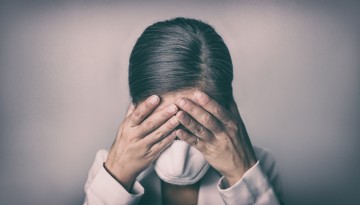
Pandemic politics fostered existential anxiety globally that has exacted a material and mental toll while dodging difficult moral dilemmas, according to Cornell research.
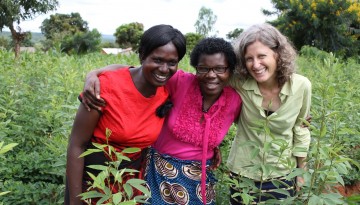
A collaborative research program led by Rachel Bezner Kerr has united agricultural communities across Malawi and Tanzania — culminating in a nonprofit with 10,000 members, several farmer-led training programs and internationally acclaimed expertise in agroecology.
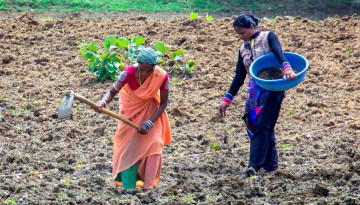
Women’s increased agricultural labor during harvest season, in addition to domestic house care, often comes at the cost of their health, according to new research from the Tata-Cornell Institute for Agriculture and Nutrition.
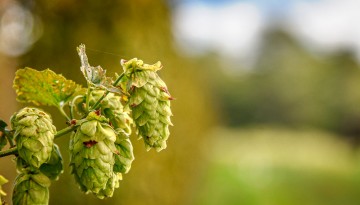
“Our Changing Menu,” a new book from Cornell University Press, explains how our warming world affects crops and how it soon will alter your dinner plate.