A film by sculptor Joanna Malinowska, showing virtually at the Hirshhorn Museum through Nov. 30, investigates the unusual, unexpected and sometimes bizarre ways in which people interpret their histories and construct identities.
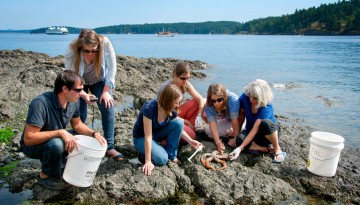
The Feed the Future Innovation Lab for Food Safety has announced $2.9 million in grants for research projects to improve food safety and prevent foodborne illness in Bangladesh, Cambodia, Kenya and Senegal.
The “One Health” approach is perfectly suited to tackling the COVID-19 pandemic, the most serious public health crisis in recent history, Cornell researchers said during the university’s COVID-19 Summit, a virtual event held Nov. 4-5.
Thanks to $1 million in new grants, Cornell scientists will model adding reflective aerosols into the stratosphere, which may deflect enough sunbeams to reduce Earth’s temperature and limit climate change.
Seven Cornell students and recent alumni received Fulbright U.S. Student Program awards to conduct research or teach abroad in 2020-21. Fulbright activities are currently suspended until January 2021.
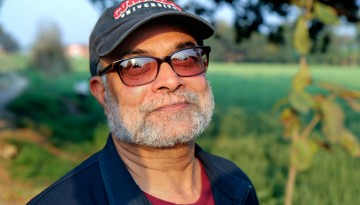
Prabhu Pingali, director of the Tata-Cornell Institute for Agriculture and Nutrition, has been named chair of the governing board of the International Crops Research Institute for the Semi-Arid Tropics.
Former Secretary John Kerry discussed foreign relations, climate change, political polarization and other immediately relevant topics Oct. 29 during the Belnick Family LaFeber/Lowi Presidential Forum.
The Cornell Atkinson Center for Sustainability is celebrating its 10th anniversary by focusing with renewed urgency on more powerful ways to translate knowledge into action.
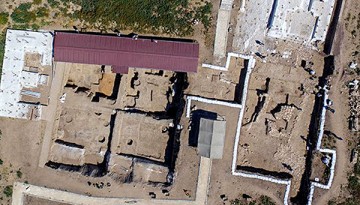
A new study – led by archaeologists from Cornell and from the University of Toronto, working in southeastern Turkey – reveals evidence of resilience and even of a flourishing ancient society despite changes in climate.