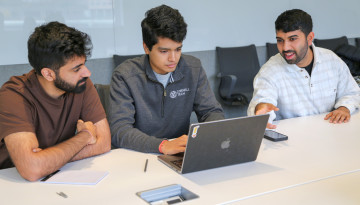
People usually strive to be their true, authentic selves, but this fall, five master’s students at Cornell Tech adopted not only alter egos but also “bad intent,” in an effort to make AI safer for health workers serving people with diabetes.
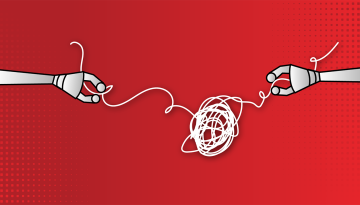
In new research that puts the latest models to test in a 3D environment, Cornell scholars found that AI fares well with untangling basic knots but can’t quite tie knots from simple loops nor convert one knot to another.
Know Your Rights presentations are part of the ongoing Cornell Immigration Legal Information Project, funded with a grant from the Park Foundation and started in January 2025.
Manipulating mouse brains during sleep improved their ability to remember new experiences that would normally be forgotten – a finding with important implications for treating Alzheimer’s disease.
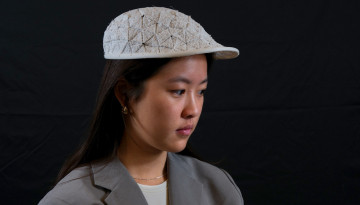
Researchers from the Cornell Bowers have developed OriStitch, a new software and fabrication system that takes simple 3D objects and spins them into a design for a textile version using carefully placed stitches in fabric.
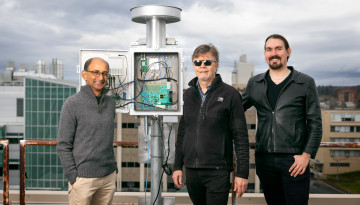
The Global Radio Explorer telescope is a series of eight terminals being built and tested at Cornell and the California Institute of Technology, and installed at locations around the world.
Sweeney Windchief, professor of adult and higher education at Montana State University, discussed mentoring relationships during a 2025 MAC Public Keynote.
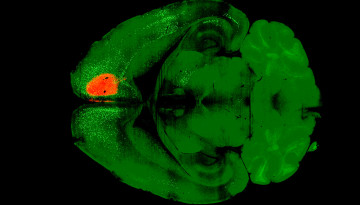
An international collaboration led by Cornell researchers used a combination of psilocybin and the rabies virus to map how – and where – the psychedelic compound rewires the connections in the brain.