Cornell researchers have demonstrated that, by zapping a thin film with ultrafast pulses of low-frequency infrared light, they can cause its lattice to atomically expand and contract billions of times per second, potentially switching its electronic, magnetic or optical properties on and off.
The development of the robot is critical as managing such diseases as powdery and downy mildews in vineyards is the top concern for grape growers and viticulturists.
Viewscore.io can simulate and score occupants' satisfaction with window views, helping designers optimize buildings' facades, floor plans and energy efficiency.
TRAPPIST-1 e, an Earth-sized exoplanet 40 light years away, may have an atmosphere that could support having liquid water on the planet’s surface in the form of a global ocean or icy surface.
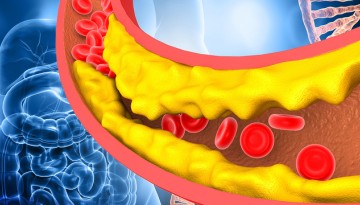
Cornell researchers have uncovered the surprising role played by a “three-tailed” fat molecule in cellular survival during heart attack and stroke: protecting the cells against damage when oxygen runs out.
Cornell researchers have uncovered the genetic triggers that cause male and female bovine embryos to develop differently, as early as seven to eight days after fertilization.
The findings could lead to aquatic plant management strategies that help mitigate the release of gases such as methane, carbon dioxide and nitrous oxide.
A Cornell-led collaboration devised a potentially low-cost method for producing antibodies for therapeutic treatments: bioengineered bacteria with an overlooked enzyme that can help monoclonal antibodies boost their immune defenses.