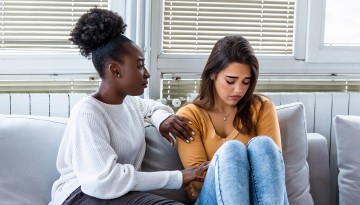
Small, simple forms of social connection can lessen the negative feelings and thoughts that come with being excluded, according to Cornell psychology researchers.
Researchers from Cornell Tech, Cornell and Stanford University found that, despite their ability to display empathy, conversational agents such as Siri do poorly compared to humans when interpreting and exploring a user’s experience.
From a sociologist accused of treason to a political cartoonist to an Afghan artist, displaced scholars fleeing conflicts in their home countries have found refuge at Cornell, which has hosted more Institute of International Education scholar and artist fellows than any other university in the world.
A unique project team enables Cornell undergraduates to use emerging open-source hardware to design, test and fabricate their own microchips – a complex, expensive process that is rarely available to students.
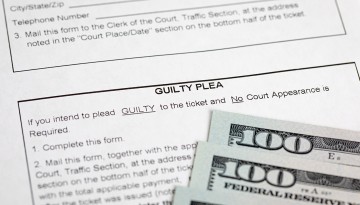
Researchers from the Brooks School combined DMV suspension records with drivers’ ZIP code data and found that drivers from marginalized communities were disproportionately impacted by both nonpayment and noncompliance suspensions.
Contract negotiations have begun between Cornell and the union that represents graduate teaching assistants, graduate research assistants, research assistants and graduate assistants at the Ithaca, Geneva and Cornell Tech campuses.
A Cornell-led research team derived the age of Selam, a “moonlet” orbiting the asteroid Dinkinesh in the main asteroid belt, based only on the pair’s dynamics.
More than 400 Cornell employees and community members attended the fifth annual Inclusive Excellence Summit, gathering virtually and in-person to show their commitment to diversity, equity and inclusion.
Journalist Kyaw Hsan Hlaing, who exposed the realities of violence perpetrated by the military in his native Myanmar, has been awarded a Paul and Daisy Soros Fellowship for New Americans to support his work toward a Ph.D. in political science at Cornell.