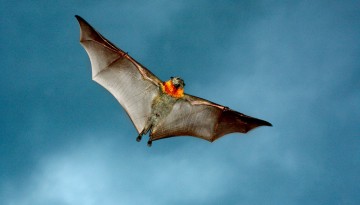
Preserving and restoring natural habitats could prevent pathogens that originate in wildlife from spilling over into domesticated animals and humans, according to two new companion studies.
Personal sensing data could help monitor and alleviate stress among resident physicians, although privacy concerns over who sees the information and for what purposes must be addressed, according to collaborative research from Cornell Tech.
The Cornell Board of Trustees and Weill Cornell Medicine Board of Fellows have approved the appointment of Dr. Francis Lee as interim dean of Weill Cornell Medicine and interim provost for medical affairs.
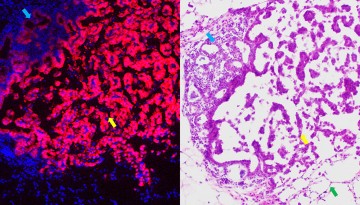
New research offers insight as to why individuals who inherit a mutation in one copy of the BRCA1 gene often develop mutations in their remaining normal copy of the BRCA1 gene, setting the stage for tumors to develop.
A multidisciplinary team of Weill Cornell Medicine researchers has received a five-year $5.7 million grant from the National Cancer Institute at the National Institutes of Health to fund a center aimed at developing messenger RNA vaccines to deter cancer development in at-risk groups.
Four undergraduate teams with business ideas won this year’s Big Ideas Competition, sponsored by Blackstone LaunchPad, Startup Tree and Entrepreneurship at Cornell.
Cornell researchers and parent educators are identifying how the opioid crisis has ravaged New York state families and the solutions that help parents and children reunify.
The long delays some COVID patients experience in regaining consciousness after ventilation may protect the brain from oxygen deprivation, new research shows.