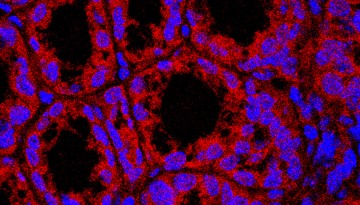
Viral DNA in human genomes, embedded there from ancient infections, serve as antivirals that protect human cells against certain present-day viruses, according to new research.
By linking a national vascular registry with medical data records in Medicare claims for patients who underwent endovascular abdominal aortic aneurysm repair, a team of researchers from across the country was able to identify which devices posed the most risk for reintervention.
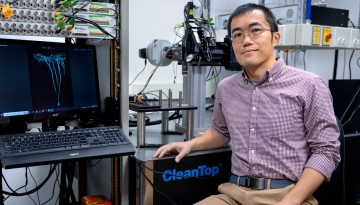
Associate professor Alex Kwan is using optical microscopy and other tools to map the brain’s neural response to psychedelic drugs, an approach that could lead to the development of fast-acting antidepressants.
On Oct. 26, Cornell administrators will sign the Okanagan Charter, a formal pledge to promote health and well-being across all facets of university life.
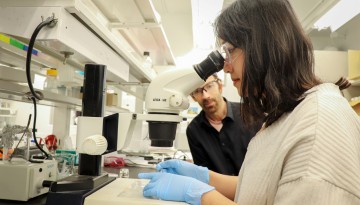
The research from the Boyce Thompson Institute focuses on neurotransmitter serotonin, which carries messages between nerve cells and is thought to play a role in several mental health conditions.
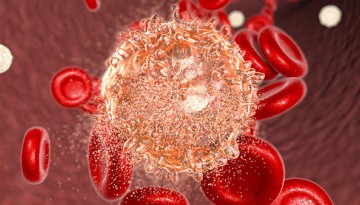
Endothelial cells – the cells that line blood vessels – grown alongside leukemia cells become corrupted and rescue the cancer cells from many chemotherapy drugs, a study by Weill Cornell Medicine investigators found.
Neurons that sense pain protect the gut from inflammation and associated tissue damage by regulating the microbial community living in the intestines, according to a study from researchers at Weill Cornell Medicine.