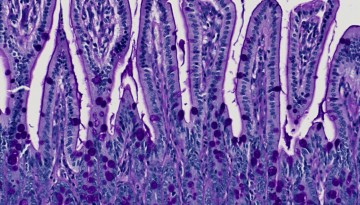
Changes in a single gene open the door for harmful gut bacteria to set off the inflammation that drives Crohn’s disease, according to a new study led by Weill Cornell Medicine and NewYork-Presbyterian investigators.
Researchers from Weill Cornell Medicine and colleagues found that two-dose vaccines still provide protection against lung disease in rhesus macaques a year after they had been vaccinated as infants.
Inexpensive, small fish species caught in seas and lakes in developing countries could help close nutritional gaps for undernourished people, and especially young children, according to new research.
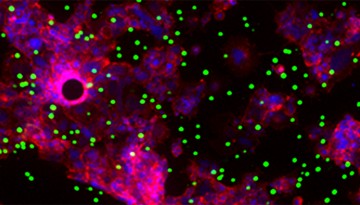
A gene linked to autism spectrum disorders plays a critical role in early brain development and may shape the formation of nerve connections in the brain.
A Cornell-led collaboration used machine learning to pinpoint the most accurate means, and timelines, for anticipating the advancement of Alzheimer’s disease.
Robert J. “Bob” Appel ’53, a vice chair of Weill Cornell Medicine’s Board of Fellows, Cornell trustee emeritus and presidential councillor, died Nov. 19 in New York, at age 91.
More than 300 faculty, staff and students from Cornell and the new Cornell Global Hubs gathered Nov. 16-17 to discuss ideas for the next universitywide Global Grand Challenge.