Students in the Milstein Program in Technology & Humanity spent eight weeks this summer exploring New York City and thinking deeply about the implications of technology.
Some countries use a relatively straightforward cost-effectiveness analysis to decide whether to green light insurance coverage of prescription drugs. That can prevent new drugs from entering the market that would be highly sought after by patients who value costlier care.
Disruption of the circadian clocks that keep the body and its cells entrained to the 24-hour day-night cycle plays a critical role in weight gain, according to a pair of studies by Weill Cornell Medicine investigators.
A new study finds that certain species of bacteria in the gut interact with and help balance levels of dietary cholesterol by using it to create a molecule that plays important roles in human health.
On Aug. 16, the Class of 2026 received their short white coats during a Weill Cornell Medicine ceremony, officially marking the beginning of their medical educations.
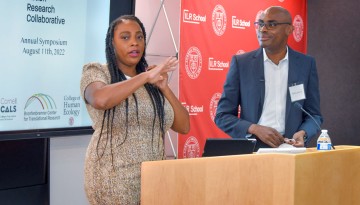
Members of Cornell’s Action Research Collaborative joined representatives from New York City agencies at a symposium Aug. 11 to discuss innovative new solutions aimed at dismantling the systemic racism that has led to inequities around food, nutrition, education, health and employment.
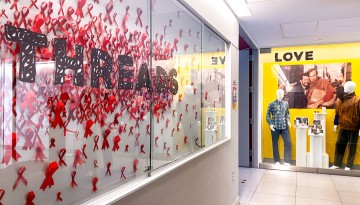
“Threads of Life, Loss, and Love: An HIV/AIDS Story” runs Aug. 15 through Dec. 2 in the Human Ecology Commons and Level T display cases and features garments, accessories, documents, ephemera and film from the collection of Sylvia Goldstaub.