Halomine and Inso Biosciences – both from Cornell incubators – have received $3 million in New York state grants to help thwart disease outbreaks and expand the state’s life science industries.
Mario Herrero, a professor in the Department of Global Development and a Cornell Atkinson Scholar, has been appointed to the EAT-Lancet 2.0 leadership team to spearhead the modeling workstream.
The 14th episode of a podcast hosted by Entrepreneurship at Cornell, Startup Cornell, features David Stein MBA ‘20, co-founder and CEO of Ash Wellness.
The blood stem cell mutation, known as DNMT3A R882, leads to the growth of a large population of circulating blood cells that also contain this mutation.
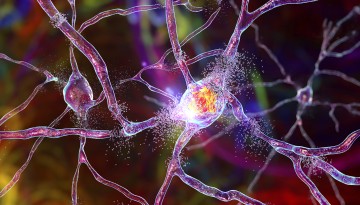
Aggregates of a protein spread in the brains of people with Parkinson’s disease through a cellular waste-ejection process, suggests a new study led by Weill Cornell Medicine researchers.
A series of free, evidence-informed apps for preschool-aged children, developed by a Cornell researcher and colleagues, aims to encourage healthy eating behaviors and exercise.