Students and lifelong learners are invited to explore a new interest, enhance their resume or strengthen their professional skills through Cornell’s Fall Part-Time Study Program, which runs Aug. 22 – Dec. 17, 2022. Registration for most students begins August 1.
New research in biomechanics measures the impact of head-first, hand-first and feet-first diving and the likelihood of injury at different diving heights.
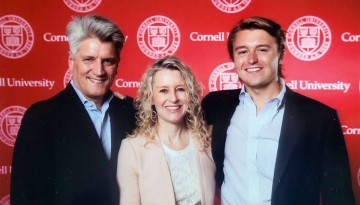
After losing his mother to breast cancer, Ryan Nowicki '16 crowdfunded for a novel cancer treatment that had once piqued the interest of his mother at Cornell.
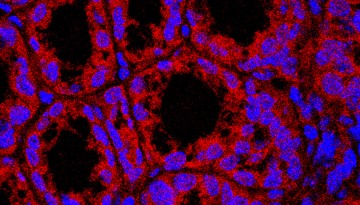
Sphingolipids – prominent molecules produced by bacteria in the gut microbiome – appear to ameliorate a problematic fatty liver, according to new Cornell nutrition research.
Nexus Scholars working this summer with Juno Salazar Parreñas are studying how human health is intricately connected to the health of animals, plants and the environment.
Antibodies that summon white blood cells may play an important role in protecting infants from congenital infection with human cytomegalovirus, according to a study led by an investigator at Weill Cornell Medicine and NewYork-Presbyterian.
Extreme heat threatens to reverse progress made in combating early child malnutrition as the planet continues to warm, according to Cornell research focused on five West African nations.
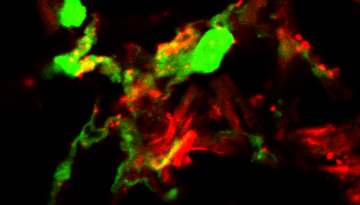
Small proteins that direct immune cells toward sites of infection can also form DNA-bound nanoparticles that can induce chronic, dysfunctional immune responses, according to a new study.