The World Health Organization has selected the Division of Nutritional Sciences to lead systematic reviews and training supporting the development of WHO guidelines and research networks.
Tumors can force neighboring cells into supporting cancer growth by releasing lactate into their local environment, according to researchers at Weill Cornell Medicine. The findings pave the way for future drug treatments that thwart that defense mechanism to help cancer patients.
A protein called CDC7, long thought to play an essential role early in the cell division process, is in fact replaceable by another protein called CDK1, according to a study by investigators at Weill Cornell Medicine and the Dana Farber Cancer Institute.
An agricultural economist, a theoretical physicist, a plant biologist and a physiologist have each been elected to the National Academy of Sciences, the academy announced May 3.
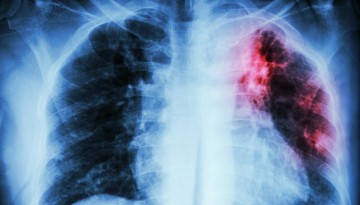
Weill Cornell Medicine researchers have identified a protein in Mycobacterium tuberculosis that contributes to drug tolerance, a phenomenon that allows bacteria to survive treatment with drugs that would normally kill them.
The Anti-Racism Curriculum Committee at Weill Cornell Medicine is charged with reinvigorating the curriculum to ensure that medical students gain a firm understanding of how social, economic and policy factors influence health outcomes.
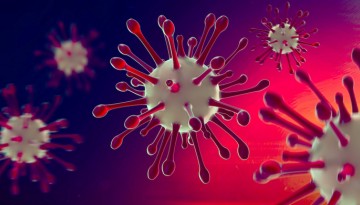
Cornell researchers have identified a shift that occurs in canine coronavirus that points to a possible pattern of change found in other coronaviruses and which may provide clues to how they transmit to humans from animals.