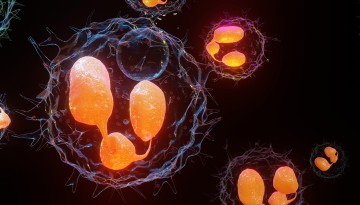
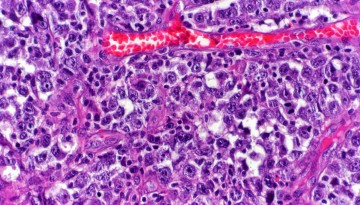
New research finds that cells are much more precise in how they ingest substances than previously thought, opening the door to potential treatments for several diseases.
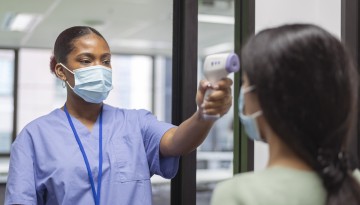
A Cornell collaboration crossing medicine, law, technology and communication is aiming to encourage the use of health care benefits by refugees in the U.S. – who often suffer poor health but are using these entitlements less than they have in the past.
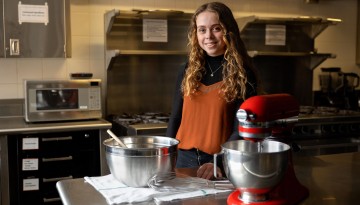
Cassidy Tryon won Food Network’s “Chopped Junior” at age 12, shortly before being diagnosed with Crohn's disease. She's now studying food science at Cornell while continuing to master cooking for her diet.
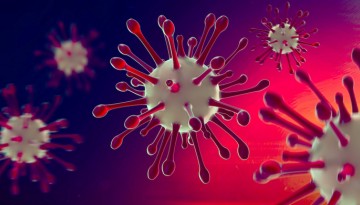
A newly discovered small molecule could be sprayed into people’s noses to prevent COVID-19 illness prior to exposure and provide early treatment if administered soon after infection, according to a study in mice led by Cornell researchers.
Nancy Schlichting '79 is a pioneering leader the healthcare industry, an enthusiastic supporter of the Sloan Program in Health Administration and now an honoree in the Modern Healthcare Hall of Fame.
Using cutting-edge techniques, researchers from Weill Cornell Medicine and Memorial Sloan Kettering Cancer Center have visualized the structure of a receptor targeted by an anti-cancer immunotherapy. The finding may help scientists improve this type of cancer treatment.
By the end of this century, Cornell’s Flavio Lehner and others said that megadroughts – extended drought events that can last two decades – will be more severe and longer in the western U.S. than they are today.
Researchers at the College of Veterinary Medicine plan to develop an enzyme-based technology into a range of diagnostic tests that can be performed anywhere using a handheld device.
North American white-tailed deer – shown in 2021 surveys of five states to have SARS-CoV-2 infection rates of up to 40% – shed and transmit the virus for up to five days once infected, according to a new study.