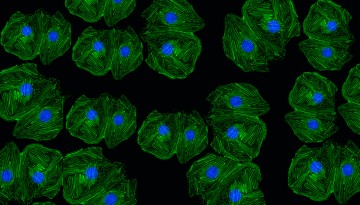
Craniosynostosis, the premature fusion of the top of the skull in infants, is caused by an abnormal excess of a previously unknown type of bone-forming stem cell, according to a preclinical study led by researchers at Weill Cornell Medicine.
Fungal biologist Lori Huberman will use a $1.9 million grant from the National Institutes of Health to study how fungi sense and use nutrients, basic research with potential applications for treatment of cancer, obesity, Type 2 diabetes and fungal infections.
Weill Cornell Medicine has been awarded a five-year, $5 million grant from the U.S. Department of Health and Human Services to study whether a bilingual video game can increase the use of contraception among Black and Hispanic adolescents.
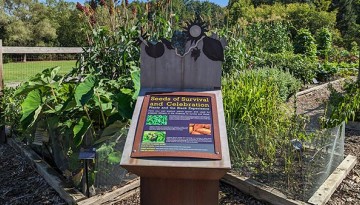
The exhibition "Seeds of Survival and Celebration: Plants and the Black Experience" returned for a second season with an expanded plant collection, which honors the lasting influence of the formerly enslaved and their descendants on American culture.
Cornell Human Ecology faculty members Denise Green ’07 and Laura Bellows have recently been awarded fellowships in the Bronfenbrenner Center for Translational Research (BCTR).
A new filtration process that aims to extend milk’s shelf life may result in a pasteurization-resistant microbacterium passing into milk if equipment isn’t properly cleaned early, Cornell scientists say.
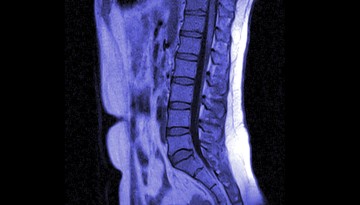
The bones that form the spine are derived from a distinct type of stem cell that secretes a protein favoring tumor metastases, according to researchers at Weill Cornell Medicine, a discovery that opens up a new line of research on spinal disorders.
Fei-Fei Li, co-director of Stanford’s Human-Centered AI Institute, will discuss AI’s role in improving patient safety in health care in the annual Cornell Center for Social Sciences Distinguished Lecture in the Social Sciences, on Oct. 5 in Statler Auditorium.
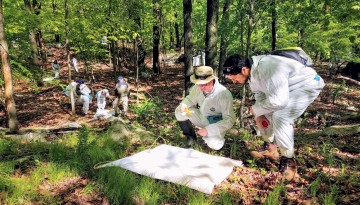
The Northeast Regional Center for Excellence in Vector-Borne Diseases, led by Cornell, has received a five-year, $8.7 million award from the Centers for Disease Control and Prevention to train and educate vector-borne disease professionals.