An interdisciplinary research team received a five-year, $2 million grant from the National Science Foundation to develop a new generation of biosynthetic lubricants that have the potential to treat arthritis and reduce the painful friction of artificial joints.
Using an innovative method for measuring doctor turnover, Weill Cornell Medicine researchers determined that between 2010 and 2018, the annual rate at which physicians left their practices increased by 43%, from 5.3% to 7.6% a year.
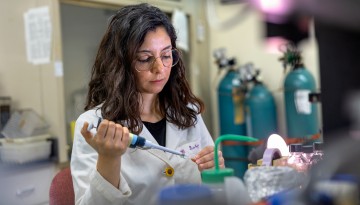
Denise Rose worked with other Cornell students on a study of mental health in India through the Cornell-Keystone Nilgiris Field Learning Summer Program.
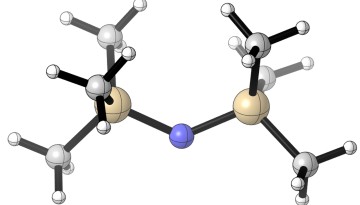
Cornell researchers attached large fragments to temperamental "radical" molecules, increasing their girth to insulate them from their hyperreactive partners – a method that could help create improved derivatives of pharmaceutical compounds.
Researchers sent a menstrual cup to space to test if it was safe for menstruating astronauts to use, which could be especially useful on longer missions to Mars or the moon.
Professor Sean Nicholson, director of the Cornell Sloan Program in Health Administration, explores the future of biopharma with industry experts in the Keynote webcast “Bringing New Science to Market.”
Weill Cornell Medicine and Columbia University have been awarded a five-year, $9.8 million grant from the National Cancer Institute to help combat cancer disparities fueled by persistent poverty.
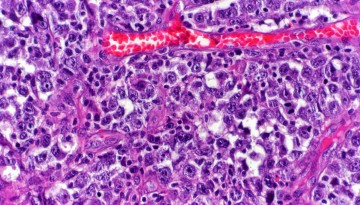
An atlas that catalogues gene activity and the levels of small molecules called metabolites in tumor samples offers a new way of identifying the deep mechanisms of cancer.
Faculty in Cornell’s Action Research Collaborative (ARC) joined New York City and State policymakers and community members for ARC’s second symposium on June 22. The annual symposium is an opportunity for researchers, policymakers and community stakeholders to share their knowledge and advance equity in areas like nutrition and health, housing and social services, and youth development.