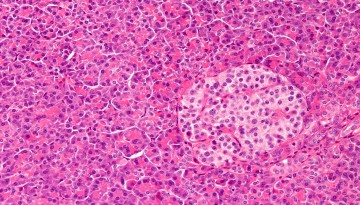
MicroRNA (miRNA) molecules in pancreatic islets have been thought to play important roles in Type 2 diabetes, but until now scientists have not confidently identified which miRNAs are associated with the disease in humans.
Surgery that removes only a portion of one of the five lobes that comprise a lung is as effective as the traditional surgery that removes an entire lobe for certain patients with early-stage lung cancer, a new study has found.
Johnson associate professor Ori Heffetz and a colleague conducted experiments in three countries to gauge the public’s perception of relative risk factors of different public health behaviors amid the COVID-19 pandemic.
From new approaches for tendon injury treatment to biomass-based construction materials, Cornell Engineering’s inaugural Sprout Awards are funding unique research projects with the potential to grow partnerships across Cornell.
The $3.5 million grant will go toward the improvement of screening and preventive treatment of cervical cancer for women living with HIV in low-resource countries.
A summer internship in sustainable agriculture and food systems enables undergrads from Cornell and across the country to work on a USDA-funded project focused on making policy more nutritious and sustainable.
A new Weill Cornell Medicine study solves a 50-year mystery and suggests that faulty mRNA modification may underlie some autoimmune and inflammatory disorders.