A new center at Cornell will fight the rise of antibiotic resistance, a global health challenge that threatens to reverse critical advances in modern medicine.
Cornell will teach small farmers in India – the world’s largest dairy producer – how to produce milk more efficiently while limiting greenhouse gas emissions.
White-tailed deer – the most abundant large mammal in North America – are harboring SARS-CoV-2 variants that once widely circulated but are no longer found in humans.
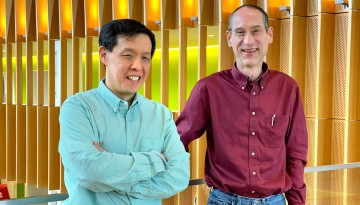
Twelve Cornell and Weill Cornell Medicine faculty members – six of whom are also Cornell alumni – have been elected fellows of the American Association for the Advancement of Science, the world’s largest general scientific society.
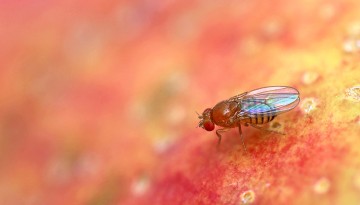
A seminal fluid protein transferred from male to female fruit flies during mating changes the expression of genes related to the fly’s circadian clock, Cornell research has found.
A protein that prepares DNA for replication also prevents the replication process from running out of control, according to a new study by Weill Cornell Medicine researchers.
Prominent physician, author and health services researcher Martin Shapiro will speak at an event on the Ithaca campus. He will describe steps to reform the health care system and lead a discussion that is open to all.
The key to understanding how the most aggressive lymphomas arise and resist current therapies may lie in mutations that disrupt a critical natural selection process among antibody-producing B cells, according to a multi-institutional preclinical study led by Weill Cornell Medicine investigators.