The Purpose Science and Innovation Exchange, an initiative in the College of Human Ecology that launched in April to study the burgeoning field of purpose, has received a $3 million grant from the John Templeton Foundation.
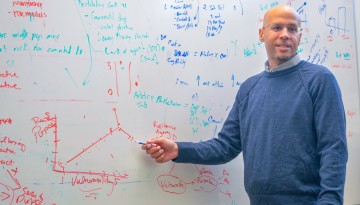
The way perceptual systems are organized in the brain depends on the way we perform actions with our hands, according to a new theory proposed by Cornell psychology scholars.
Researchers found people who are socially rich, with strong social support but whose family had less money, and those who are economically rich, having more money but less social support, take similar levels of risk but activate different parts of their brains.
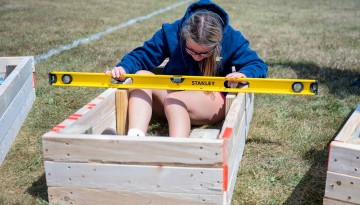
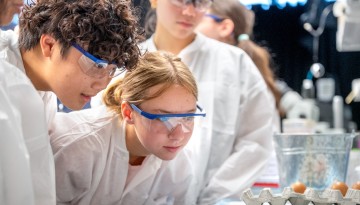
Cornell hosted more than 180 middle and high school students from across New York state for the annual 4-H Career Explorations Conference, held June 25-27.