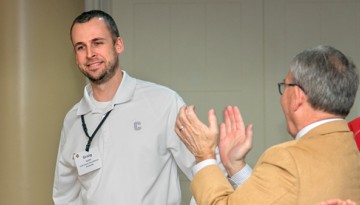
Thirteen staff members received Employee Excellence Awards – three each in the individual, management, innovation and diversity categories, and one that stood 'Far Above.'
Events this week include Maple Fest at Cayuga Nature Center, a Chat in the Stacks talk with Noliwe Rooks and a celebration of the music of a Polish conductor whose work was banned by the Nazis.
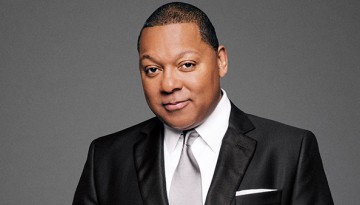
Famed jazz musician and composer Wynton Marsalis will visit Cornell in his role as an A.D. White Professor-at-Large, for classes, workshops and joining student musicians in a free concert in Bailey Hall March 28.
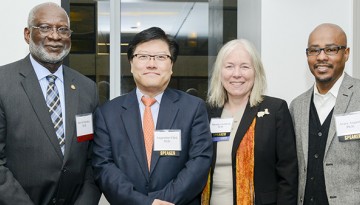
Researchers at Weill Cornell Medicine and Cornell’s Ithaca campus have established a new center to better understand why health outcomes vary among demographic groups.
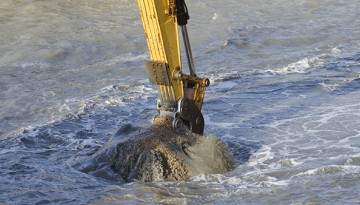
Landscape Architecture’s Brian Davis and Sean Burkholder, University at Buffalo, received a $1.6 million grant from the Great Lakes Protection Fund for creating ecologic gold from shipping port sediment.
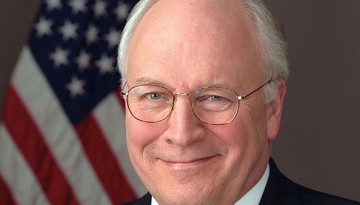
Dick Cheney, the 46th vice president of the United States, will speak at Cornell March 21 in Alice Statler Auditorium. His talk is sponsored by the Cornell University College Republicans.
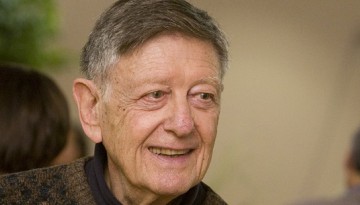
Gilbert Levine, emeritus professor of biological and environmental engineering, first retired in 1983 after more than 30 years on the Cornell faculty. He's giving it another try at age 90.
Members of the Presidential Task Force on Campus Climate are actively working toward an end-of-semester deadline to deliver specific recommendations to President Martha E. Pollack.