Klarman Fellow Romina Wainberg is writing a book that explores how early Latin American novelists depicted the act of writing in their fiction, with a particular focus on fictional representations of the writing process.
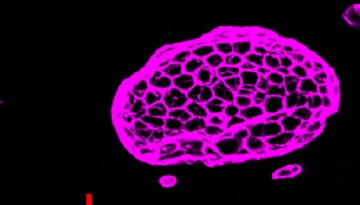
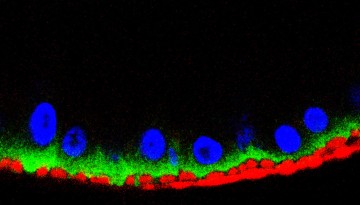
A classic psychedelic was found to activate a cell type in the brain of mice and rats that silences other neighboring neurons, providing insight into how such drugs reduce anxiety.
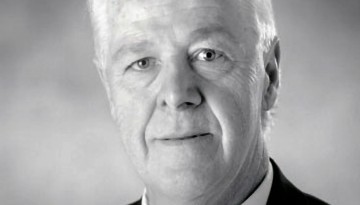
John A. Nation, professor emeritus of electrical and computer engineering, whose research on high-power microwave generation helped drive Cornell’s role in advancing plasma studies and fusion energy, died on Sept. 3 in Rye, New Hampshire. He was 89.
Rural hospitals and hospitals that treat patients regardless of their ability to pay have been hampered by federal rules limiting their access to funding for capital projects, which has led to institutionalized racism in hospitals, researchers have found.
Open to students, faculty, staff and family members of all ages, the event brought the Cornell and greater Ithaca community together to celebrate the benefits of physical and mental health.
The collection of essays by Shepley and other authors is intended for students, academics and practitioners in all design fields to inspire societal contribution and celebrate collaboration.