Nori Jacoby, assistant professor of psychology, has been awarded an NSF fellowship for a project to develop algorithms to more effectively harness the intelligence of crowds by improving the quality of collective evaluations
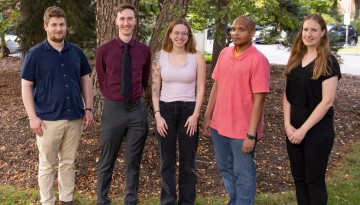
Five postdoctoral scholars were honored with Postdoc Achievement Awards as part of Cornell’s participation in National Postdoc Appreciation Week. The awards recognize excellence in community engagement, leadership and mentoring.
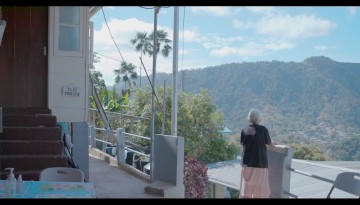
“Possible Landscapes,” a new feature-length documentary film exploring the lived experience of landscapes and environments in the Caribbean islands of Trinidad and Tobago, will have its debut screening on Sept. 25 at Cornell Cinema.
Cornell Engineering-led projects designed to accelerate research into quantum and communications technologies received significant support from the U.S. Department of Defense, officials with the Northeast Regional Defense Technology Hub (NORDTECH) announced.
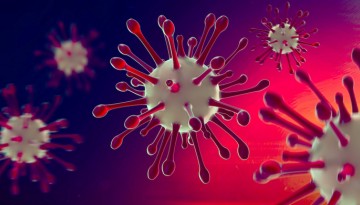
Immunocompromised people with persistent COVID infections can harbor drug-resistant variants of the virus, which have the potential to spread, researchers at Weill Cornell Medicine, the College of Veterinary Medicine and the NIH have found.
Paul Ortiz, who joined the ILR School faculty in summer 2024 as a professor of labor history, served as an adviser and on-camera expert for “American Historia: The Untold History of Latinos,” a three-part docuseries premiering Sept. 27 on PBS.
Cornell Cooperative Extension has named David Kay the critical issue lead for extension programming in the areas of climate change and sustainable energy, effective September 1.
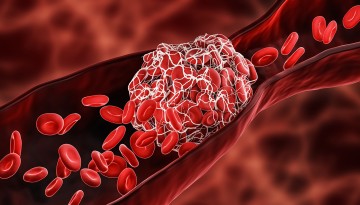
A new study from Weill Cornell Medicine researchers helps explain why having ApoE4 – the gene variant most closely linked to Alzheimer’s disease – increases the risk of neurodegeneration and white matter damage.