Students, staff, senior leaders and members of Cornell’s Veterans Colleague Network Group gathered last month to honor the achievements of the military community and forge connections at the third annual Military/Veterans Reception.
The Cornell Lab of Ornithology is celebrating the reopening of its newly redesigned Visitor Center with a free event, including a special edition of its annual Migration Celebration. The event is Sept. 14, from 10 a.m. to 4 p.m.
The study paves the way for using the novel manufacturing process and quality controls to move cell therapy production further along toward applying it in a clinic.
People love rankings, but do they really mean that much? Sometimes they do, depending on several factors including the availability of other information, according to new Cornell research.
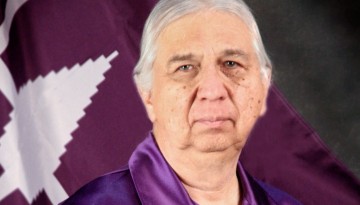
Kenneth Atsenhaienton Deer, founder and former editor of The Eastern Door newspaper, will be the featured speaker at the 2024 Daniel W. Kops Freedom of the Press Lecture, Sept. 10.